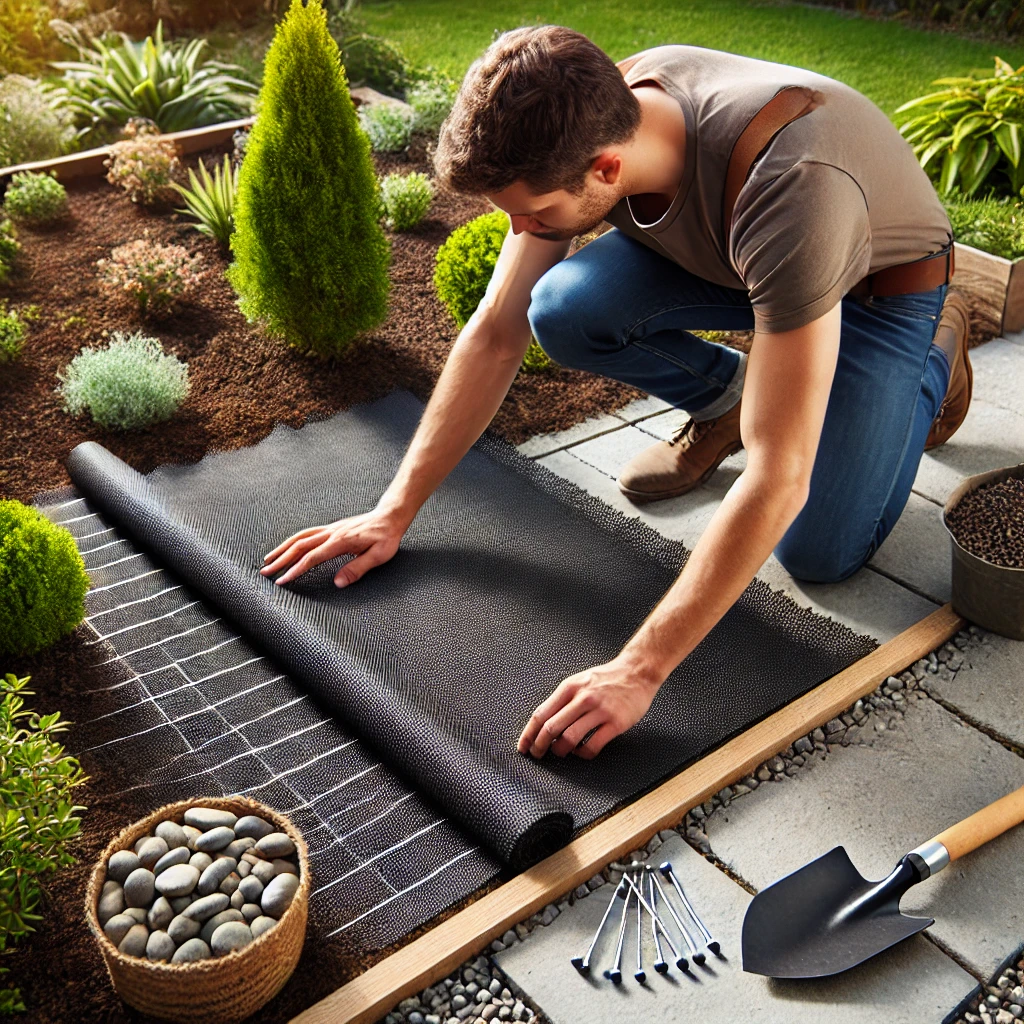
As the seasons change, preparing your yard for fall is essential to maintaining its health and appearance. Fall yard cleanup not only ensures that your lawn looks great during the colder months but also prepares it for a healthy spring revival. This blog will guide you through the pros and cons, recommended tools, necessary steps, comparisons, tips, and more to make your fall yard cleanup as efficient and effective as possible.
Pros
Prepping for fall yard cleanup comes with several benefits that contribute to a healthier and more manageable outdoor space. Below are the key advantages:
- Improved Lawn Health: Raking leaves and removing debris prevents fungal growth and suffocation of your lawn, allowing it to breathe and receive essential nutrients.
- Pest Prevention: By cleaning up fallen leaves and decaying plants, you reduce the likelihood of pests taking refuge in your yard during the colder months.
- Aesthetic Appeal: A well-maintained yard is more visually appealing, and fall cleanup ensures that your outdoor space remains attractive throughout the season.
- Reduced Spring Workload: Completing a thorough fall cleanup reduces the amount of work required in the spring, as your yard will already be in good shape.
- Prepares Plants for Winter: Pruning, mulching, and other fall tasks prepare your plants to withstand the cold winter months, leading to healthier growth in spring.
While these benefits are significant, it’s important to consider the drawbacks as well.
Cons
Despite the many benefits of fall yard cleanup, there are some potential downsides to be aware of:
- Time-Consuming: Thorough fall cleanup can be a lengthy process, requiring multiple days or weekends to complete, especially if you have a large yard.
- Physical Effort: Raking leaves, pruning trees, and hauling debris can be physically demanding, potentially leading to muscle strain or fatigue.
- Tool Costs: Investing in high-quality tools and equipment for fall cleanup can be expensive, particularly if you need to purchase multiple items at once.
- Environmental Impact: The removal of all organic matter can deprive your yard of natural composting benefits, which could be mitigated by mulching rather than disposing of leaves.
- Potential Over-Cleanup: Overzealous cleaning may remove beneficial organisms and disturb the soil ecosystem, which could negatively affect plant health.
Understanding these cons can help you make informed decisions about how to approach your fall yard cleanup.
Recommended Tools for the Project
Having the right tools is crucial for an effective fall yard cleanup. Here are some must-have items:
- Leaf Blower: A powerful leaf blower can make quick work of leaves and debris, especially in larger yards.
- Rake: A durable rake is essential for gathering leaves, twigs, and other debris scattered across your lawn.
- Pruning Shears: High-quality pruning shears allow for precise trimming of shrubs, trees, and bushes to prepare them for winter.
- Lawn Mower: A lawn mower with a mulching feature can be used to finely chop leaves and return nutrients to the soil.
- Wheelbarrow: A sturdy wheelbarrow is necessary for transporting debris, compost, or mulch around your yard.
For additional tools that can enhance your fall yard cleanup, shop here and visit this link for even more recommendations.
Necessary Steps (1-10)
To effectively prep for fall yard cleanup, follow these steps:
- Assess Your Yard: Begin by walking around your yard and taking note of areas that need attention, such as overgrown shrubs, fallen leaves, or bare spots on the lawn.
- Clear Debris: Remove fallen leaves, branches, and other debris from your yard using a rake or leaf blower.
- Prune Trees and Shrubs: Trim back overgrown branches and deadwood to promote healthy growth and prevent damage from winter storms.
- Mow the Lawn: Cut the grass to a shorter length to prevent matting under snow, which can lead to mold and disease.
- Mulch Leaves: Instead of disposing of all leaves, consider mulching them to add organic matter to your soil.
- Aerate the Soil: If your lawn is compacted, aerate it to allow water, air, and nutrients to reach the roots.
- Fertilize the Lawn: Apply a slow-release fertilizer to nourish your lawn throughout the winter months.
- Edge and Clean Up Borders: Define the edges of your lawn and garden beds to give your yard a neat appearance.
- Inspect and Repair: Check for any damage to garden structures, pathways, or fences, and make necessary repairs.
- Store Tools Properly: Clean and store your tools in a dry, safe place to ensure they’re ready for use in the spring.
Comparisons
When it comes to fall yard cleanup, different methods and tools can be compared to find the best approach:
- Raking vs. Blowing Leaves: Raking is more time-consuming and labor-intensive, but it allows for more control over leaf collection. Blowing is faster and ideal for large areas, but can be less precise.
- Bagging vs. Mulching: Bagging leaves removes organic material from your yard, while mulching returns nutrients to the soil. Mulching is generally more eco-friendly.
- Manual Pruning vs. Power Tools: Manual pruning shears offer precision for small tasks, while power tools are better for large-scale pruning jobs.
- Store-Bought vs. Homemade Mulch: Store-bought mulch is convenient and uniform, but homemade mulch from shredded leaves is cost-effective and environmentally friendly.
Each method has its own pros and cons, so choose what works best for your yard’s specific needs.
Tips & Tricks
Maximize the effectiveness of your fall yard cleanup with these tips:
- Start Early: Begin your cleanup as soon as the leaves start falling to avoid being overwhelmed later in the season.
- Use a Tarp: Lay down a tarp to easily collect and transport leaves and debris.
- Layer Mulch: Apply mulch in layers to retain moisture and protect plant roots from cold temperatures.
- Sharpen Tools: Keep your tools sharp for more efficient and effective pruning and cutting.
- Water Before Frost: Give your lawn and plants a good watering before the first frost to help them withstand the cold.
FAQs (Frequently Asked Questions)
Q: Is it necessary to remove all leaves from my lawn?
A: While it’s important to remove most leaves to prevent suffocation of your grass, leaving a thin layer can provide nutrients through natural decomposition.
Q: How often should I prune my trees and shrubs?
A: Fall is a great time to prune, but only remove dead or diseased branches. Over-pruning can harm the plants.
Q: Can I use a lawn mower to mulch leaves?
A: Yes, a lawn mower with a mulching feature can efficiently chop leaves into small pieces, which can be left on the lawn as a natural fertilizer.
Q: What’s the best way to dispose of leaves?
A: Composting is the most eco-friendly option, but if you have too many leaves, consider bagging them for municipal pickup or creating mulch.
Q: Should I fertilize my lawn in the fall?
A: Yes, applying a slow-release fertilizer in the fall helps your lawn store nutrients for winter, leading to a healthier lawn in the spring.
Updates and Future Considerations
Fall yard cleanup is an ongoing process, and new tools and techniques are always emerging. Keep an eye on the latest trends in lawn care and gardening to ensure you’re using the most effective methods. Consider future landscaping projects that may require different cleanup strategies, such as installing a garden or creating new flower beds.
Cost or Price
The cost of fall yard cleanup can vary depending on the size of your yard and the tools you need. Investing in quality tools might be pricey upfront, but it can save you time and effort in the long run. Here’s a breakdown:
- Leaf Blower: $50 – $200
- Rake: $10 – $30
- Pruning Shears: $20 – $50
- Lawn Mower: $150 – $500
- Wheelbarrow: $50 – $100
By carefully choosing your tools and maintaining them properly, you can manage costs and ensure your yard looks its best year after year.
Prepping for fall yard cleanup is an essential task that ensures your yard remains healthy and beautiful throughout the winter. By understanding the pros and cons, investing in the right tools, and following the necessary steps, you can efficiently manage your outdoor space and prepare it for the colder months ahead.