Home repairs are an inevitable part of homeownership, and knowing when to tackle a repair yourself versus when to call a repairman can make all the difference in maintaining your property. Whether you’re dealing with a malfunctioning appliance, an electrical issue, or a leaky faucet, the decision to DIY or hire a professional can impact your home’s safety, your budget, and your peace of mind. This guide will help you navigate common home repair scenarios, weigh the pros and cons of calling a repairman, and provide step-by-step instructions and essential tips to ensure your repair project is successful. By understanding when you should call a repairman, you can avoid costly mistakes, save time, and ensure that your home remains in top condition.
Pros
Understanding when to call a repairman can save you time, money, and stress. While many home repairs can be handled with basic tools and a bit of know-how, there are situations where professional intervention is necessary. Here are the pros of calling a repairman:
- Expertise and Experience: Professional repairmen have the training and experience to diagnose and fix issues quickly. They can often identify problems that an untrained eye might miss, ensuring the job is done right the first time.
- Access to Specialized Tools: Repairmen come equipped with specialized tools that may not be available to the average homeowner. This is especially important for complex repairs where the right tools can make all the difference.
- Safety: Certain repairs, such as electrical or plumbing work, can be hazardous. A professional repairman understands how to safely navigate these dangers, reducing the risk of injury or further damage to your home.
- Time-Saving: Hiring a repairman can save you hours of labor. Professionals can often complete repairs in a fraction of the time it would take an inexperienced person, allowing you to focus on other important tasks.
- Warranty and Guarantees: Many repair services offer warranties or guarantees on their work, giving you peace of mind that the repair will last. If something goes wrong, they’ll come back and fix it without additional charges.
By calling a repairman, you leverage their expertise and tools, ensuring that the repair is done correctly and safely, ultimately saving you time and providing long-term assurance.
Cons
While there are clear advantages to calling a repairman, it’s important to weigh these against the potential drawbacks:
- Cost: Hiring a professional can be expensive. Labor costs, parts, and service fees can add up quickly, especially for complex repairs. DIY options may be more cost-effective if you’re on a tight budget.
- Availability: Depending on your location, finding a repairman when you need one can be challenging. Some professionals may have long wait times, leaving you with a malfunctioning appliance or system for days or even weeks.
- Quality Variability: Not all repairmen offer the same level of quality or expertise. There’s a risk of hiring someone who might not do the job correctly, potentially leading to further issues down the line.
- Lack of Personal Satisfaction: For those who enjoy DIY projects, calling a repairman can take away the personal satisfaction of completing a repair on your own. You miss out on learning new skills and the pride that comes with solving problems yourself.
- Potential for Unnecessary Upselling: Some repairmen may try to upsell services or parts that aren’t strictly necessary, increasing the cost of the repair. It’s important to be aware of this and question any additional recommendations.
Considering these cons, it’s essential to assess whether the situation warrants professional help or if a DIY approach might be more suitable and satisfying for your needs.
Recommended Tools for the Project
Before deciding whether to call a repairman, consider whether you have the necessary tools to tackle the repair yourself. Here are some recommended tools for common home repair projects:
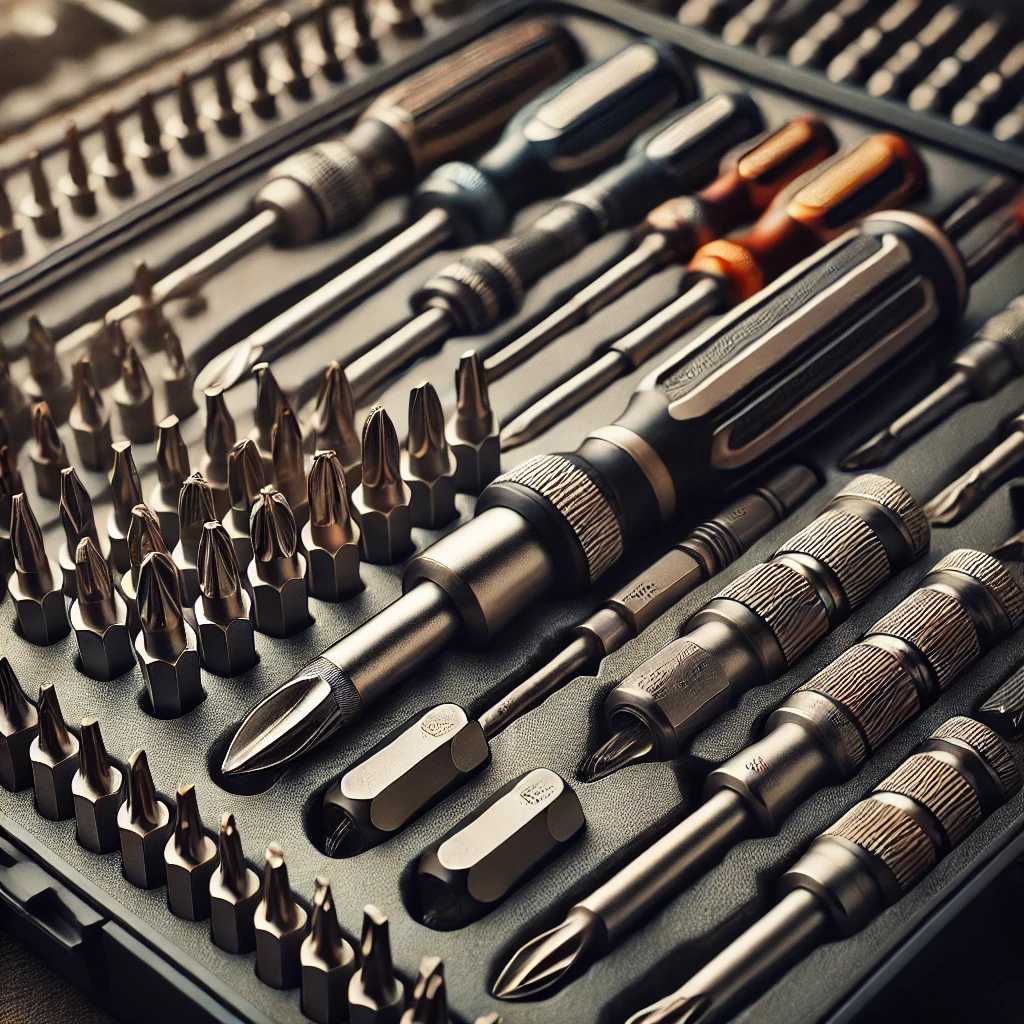
- Screwdriver Set: A versatile set of screwdrivers can handle everything from tightening loose screws to assembling furniture. Consider both flathead and Phillips head screwdrivers for various tasks.
- Adjustable Wrench: Ideal for plumbing repairs, an adjustable wrench can help you tackle leaky faucets, tighten bolts, and much more.
- Multimeter: If you’re dealing with electrical repairs, a multimeter is essential for measuring voltage, current, and resistance. It’s a must-have for safely working on electrical systems.
- Power Drill: Whether you’re hanging shelves or assembling furniture, a power drill can save you time and effort. Look for one with multiple speed settings and a variety of drill bits.
- Plunger: Simple but effective, a plunger is a must-have tool for unclogging toilets and drains. Make sure you have one on hand before calling a plumber.
For a comprehensive list of tools that every homeowner should have, visit this tools page.
If you find that you’re missing some of these tools, it might be worth considering whether the cost of purchasing them is justified compared to hiring a repairman.
Necessary Steps (1-10)
If you decide to tackle the repair yourself, it’s important to follow a clear and structured process. Here are the necessary steps you should take:
- Identify the Problem: Start by diagnosing the issue. Understand what’s wrong and what’s causing the problem. This will help you determine whether it’s something you can fix yourself or if you need to call a repairman.
- Research Solutions: Look up guides or tutorials for repairing the specific issue. Make sure you fully understand the steps involved before starting the repair.
- Gather Tools and Materials: Ensure you have all the necessary tools and materials on hand. Refer to the “Recommended Tools for the Project” section above to ensure you’re properly equipped.
- Safety First: Before beginning any repair, make sure to take appropriate safety precautions. This includes turning off power sources, wearing protective gear, and ensuring the area is safe to work in.
- Step-by-Step Execution: Follow the steps laid out in your research. Take your time and don’t rush the process, as mistakes can lead to further damage.
- Check Your Work: Once the repair is complete, double-check everything to ensure it’s functioning correctly. This might involve testing the appliance, checking for leaks, or running diagnostics.
- Clean Up: After the repair, clean up your workspace. Properly dispose of any broken parts or materials, and store your tools away safely.
- Monitor the Repair: Keep an eye on the repair over the next few days to ensure it holds up. If problems persist, you might need to reassess whether professional help is needed.
- Document the Process: Keep a record of what you did, including any materials used or parts replaced. This can be helpful for future reference or if you need to call a repairman later.
- Evaluate the Outcome: Reflect on the repair process. Consider what you learned and whether you’d attempt a similar repair again in the future, or if calling a repairman might be the better option.
By following these steps, you can approach home repairs with confidence and minimize the risk of costly mistakes.
Comparisons
Understanding when to call a repairman often comes down to comparing the DIY approach with professional help. Here are some comparisons to consider:
- Cost vs. Time: DIY repairs can save money but often take more time, especially if you’re unfamiliar with the task. A repairman may cost more, but the job could be completed much faster.
- Skill Level: Your skill level plays a huge role in determining whether to DIY or call a repairman. Simple tasks like replacing a light bulb are easy to handle, but more complex jobs like fixing a furnace may require professional expertise.
- Tool Availability: If you already have the necessary tools, DIY might be the way to go. However, if the repair requires specialized equipment, hiring a repairman who already owns these tools can be more economical.
- Safety Concerns: For tasks involving electricity, gas, or plumbing, safety should be your top priority. If you’re not confident in handling these systems, it’s better to call a repairman.
- Long-Term Results: Professional repairs often come with a warranty, ensuring long-term reliability. DIY repairs might be cheaper upfront, but they could lead to further issues if not done correctly.
By weighing these comparisons, you can make an informed decision about whether to tackle the repair yourself or call in a professional.
Tips & Tricks
When it comes to home repairs, there are several tips and tricks that can help you decide when to call a repairman:
- Assess the Complexity: For simple tasks like unclogging a drain or patching a wall, DIY is usually sufficient. However, for complex repairs, it’s often best to call a repairman.
- Consider the Time Commitment: If you’re short on time, calling a repairman can save you the hassle of spending hours on a repair. Remember, time is money.
- Check for Warranties: If the item or system is still under warranty, calling a repairman might be covered, saving you money on repairs.
- Evaluate Your Tools: If you don’t have the right tools for the job, it might be more cost-effective to call a repairman than to buy expensive tools for a one-time repair.
- Safety First: Never compromise on safety. If a repair poses a risk to your health or safety, it’s worth the cost to call a professional.
These tips and tricks can help you navigate the decision-making process and ensure that you make the right choice for your specific situation.
FAQs
Q1: When should I call a repairman? A: You should call a repairman when the repair is beyond your skill level, requires specialized tools, or involves safety risks like electrical work or gas lines. If the repair is complex and you’re unsure about the steps, professional help can prevent further damage.
Q2: Can I handle minor repairs myself? A: Yes, minor repairs such as fixing a leaky faucet, replacing a light bulb, or patching a small hole in the wall can often be handled by the average homeowner. Just make sure you have the right tools and follow a guide if needed.
Q3: How do I find a reliable repairman? A: Look for repairmen with good reviews, appropriate certifications, and references. Websites like Yelp, Google Reviews, and the Better Business Bureau can provide insights into the reliability and quality of service offered by repairmen in your area. Always ask for a written estimate and inquire about any warranties or guarantees on their work before hiring.
Q4: What should I do if a repairman doesn’t fix the issue? A: If a repairman’s work doesn’t resolve the problem, contact them immediately and explain the situation. Most reputable repair services will come back to address the issue at no additional cost if the problem persists within a certain timeframe. Always keep records of your communications and any work performed.
Q5: Are there specific repairs that always require a professional? A: Certain repairs, such as electrical wiring, gas appliance repairs, and major plumbing issues, should always be handled by a professional due to the risks involved. These types of repairs often require specialized knowledge, experience, and tools to ensure safety and compliance with local building codes.
Updates and Future Considerations
When it comes to home repairs, staying informed about the latest tools, techniques, and safety protocols is essential. Here are some future considerations:
- Advancements in Tools: The tools available for home repairs are constantly evolving. New technology can make DIY repairs easier and safer. For example, smart diagnostic tools can now identify issues in your home’s electrical or plumbing systems, allowing you to troubleshoot before calling a repairman.
- Building Codes and Regulations: Local building codes and regulations may change over time. It’s important to stay updated on these changes, especially if you’re considering DIY repairs that involve structural, electrical, or plumbing work.
- Energy Efficiency: As energy efficiency standards become more stringent, repairs and upgrades to your home’s systems may require a professional’s expertise to ensure compliance. Repairmen are often aware of the latest energy-saving techniques and products that can reduce your utility bills.
- Insurance Considerations: Some home repairs may impact your home insurance policy. For instance, certain types of DIY repairs might not be covered if they result in damage. It’s wise to consult your insurance provider to understand what’s covered and what’s not.
- Smart Home Integration: As smart home technology becomes more prevalent, repairs may involve integrating or updating these systems. Repairmen who specialize in smart home technology can ensure that your devices work seamlessly with your existing systems.
By staying informed and considering these future developments, you can make better decisions about whether to handle repairs yourself or call in a professional.
Cost or Price
Understanding the cost of hiring a repairman versus DIY can be a critical factor in your decision-making process. Here’s a breakdown:
- Labor Costs: The cost of hiring a repairman typically includes labor, which can vary depending on the complexity of the job and your location. Labor costs can range from $50 to $150 per hour, with more specialized services potentially costing more.
- Parts and Materials: In addition to labor, you’ll also need to consider the cost of parts and materials. Repairmen often charge a markup on parts, so it’s worth asking for an itemized list of what’s needed. For DIY, purchasing parts yourself may be cheaper, but you must ensure you’re getting the right ones.
- Service Fees: Many repairmen charge a service fee just for coming out to diagnose the issue. This fee typically ranges from $50 to $100 but can be higher in some areas. Some companies may waive this fee if you proceed with the repair.
- DIY Costs: If you’re considering a DIY approach, factor in the cost of tools you might need to purchase. While some tools are inexpensive, others, like power tools or diagnostic equipment, can be costly. However, once purchased, these tools can be used for future repairs, which can offset the initial investment.
- Potential Savings: DIY repairs can save you money, but only if done correctly. Mistakes can lead to additional costs, such as further damage or needing to hire a repairman anyway. Weigh the potential savings against the risks and costs of mistakes.
By understanding the costs involved, you can make a more informed decision about whether to hire a repairman or take on the repair yourself. Remember to get multiple quotes from repairmen to ensure you’re getting a fair price for the work.