Taking care of your lawn and landscaping is more than just a seasonal chore; it’s an ongoing commitment that can enhance your home’s curb appeal and increase its value. But what are the best practices for lawn care and landscaping? In this comprehensive guide, we’ll walk you through everything you need to know to keep your lawn lush and your landscape thriving. We’ll also delve into the role of turfgrass and how it contributes to a beautiful yard.
Pros
Understanding the benefits of proper lawn care and landscaping can motivate you to maintain your outdoor spaces. Here are some pros:
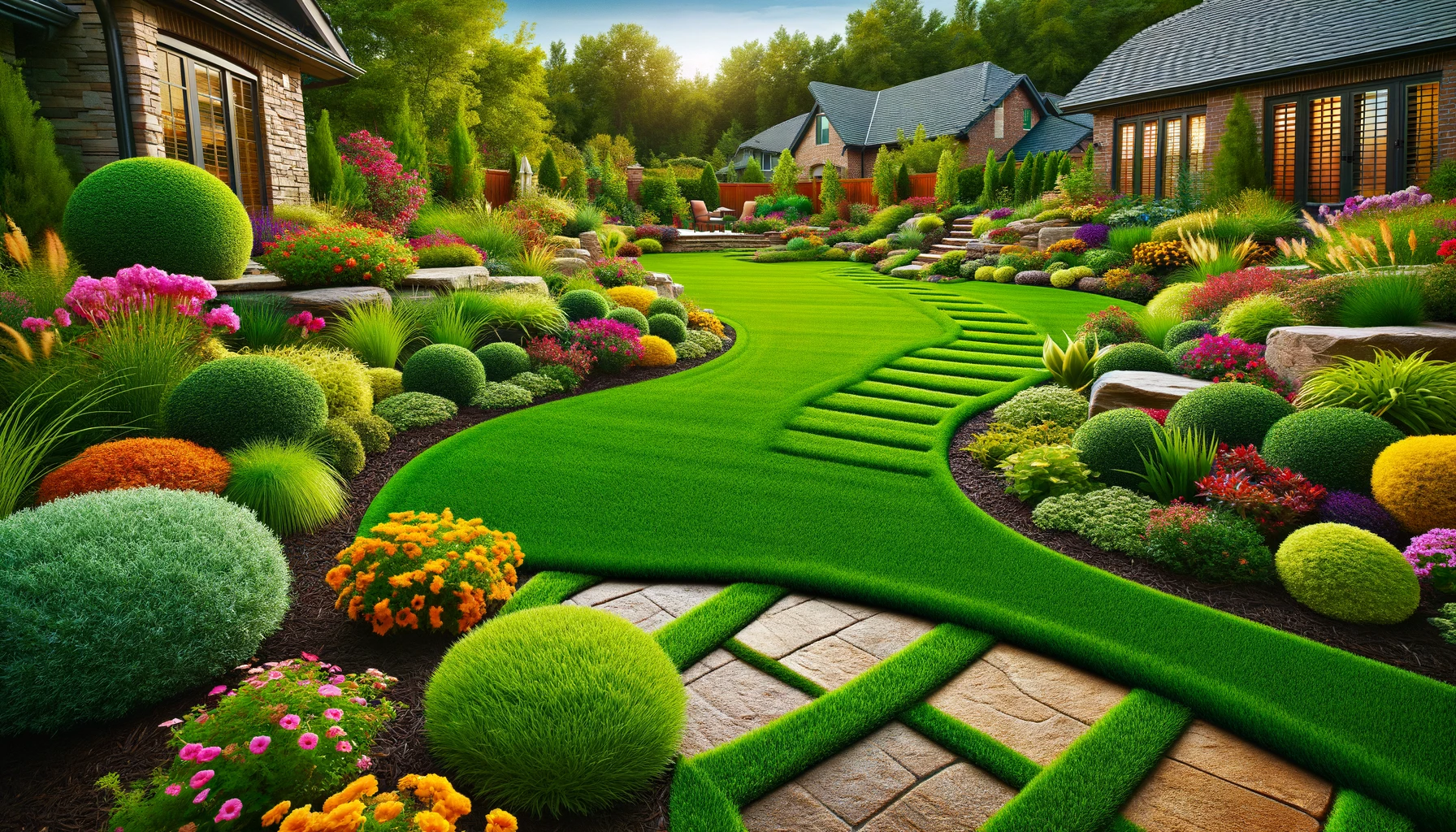
- Enhanced Curb Appeal: A well-maintained lawn and landscape can significantly improve the appearance of your home. It creates a welcoming environment and can make your property stand out in the neighborhood.
- Increased Property Value: Proper landscaping can increase the value of your property. Potential buyers often consider a well-kept lawn a sign of a well-maintained home.
- Environmental Benefits: Lawns and gardens, especially those with healthy turfgrass, can help reduce soil erosion, improve air quality, and provide habitats for wildlife. They can also reduce noise pollution by acting as sound barriers.
- Energy Efficiency: Strategically placed trees and shrubs can provide shade, reducing cooling costs in the summer. In the winter, they can act as windbreaks, lowering heating costs.
- Recreational Space: A healthy lawn, particularly with well-maintained turfgrass, provides a great space for outdoor activities and relaxation. It’s perfect for family gatherings, playing sports, or simply enjoying nature.
By following best practices for lawn care and landscaping, you can enjoy these benefits and create a beautiful, functional outdoor space.
Cons
While there are many benefits to lawn care and landscaping, there are also some potential drawbacks to consider:
- Time-Consuming: Maintaining a lush lawn and garden, especially one with high-quality turfgrass, requires a significant time investment. Regular mowing, watering, weeding, and fertilizing are necessary to keep your yard in top shape.
- Cost: The costs associated with lawn care can add up quickly. Expenses include tools, equipment, fertilizers, pesticides, and professional services if you choose to hire them.
- Environmental Impact: The use of chemicals in fertilizers and pesticides can have negative environmental impacts, including water pollution and harm to beneficial insects and wildlife.
- Water Usage: Maintaining a green lawn often requires substantial water use, which can be a concern in areas with water restrictions or drought conditions.
- Physical Labor: Lawn care and landscaping involve a lot of physical work. This can be a downside for those who may not have the physical capability or time to dedicate to these tasks.
Despite these drawbacks, many people find that the benefits of a well-maintained lawn and landscape outweigh the cons.
Recommended Tools for the Project
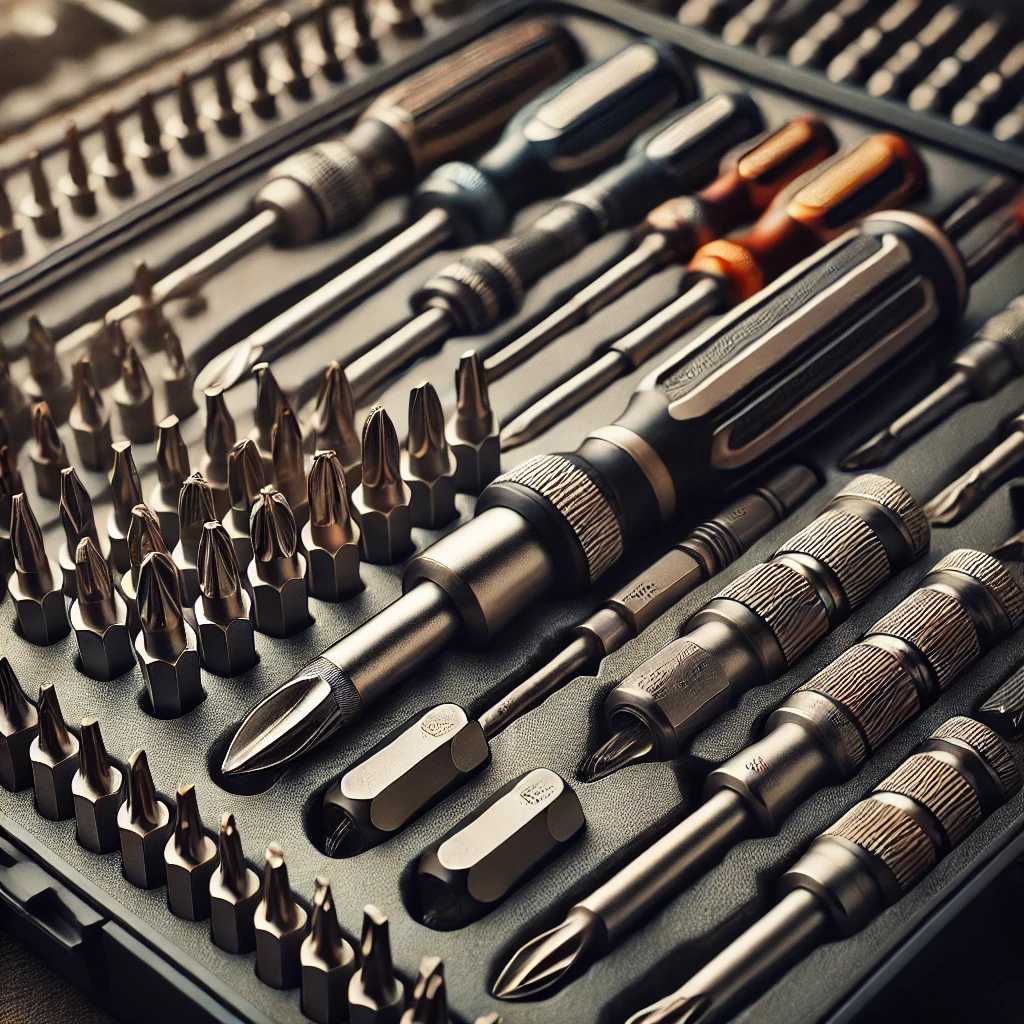
Having the right tools can make all the difference in maintaining your lawn and landscaping. Here are some essential tools to consider:
- Lawn Mower: A high-quality lawn mower is crucial for keeping your grass, particularly turfgrass, at the right height. Consider a mower with adjustable settings for different grass types and conditions.
- String Trimmer: This tool helps you trim grass and weeds in areas that a lawn mower can’t reach, such as around trees, fences, and garden beds.
- Leaf Blower: A leaf blower makes it easy to clear leaves, grass clippings, and debris from your lawn and driveway.
- Garden Hose and Sprinkler System: Proper watering is essential for a healthy lawn. Invest in a good garden hose and consider an automated sprinkler system for consistent watering.
- Hand Tools: Basic hand tools like a spade, rake, and pruners are necessary for planting, weeding, and maintaining your garden beds.
- Fertilizer Spreader: A spreader helps you evenly distribute fertilizer and seeds, ensuring that your lawn gets the nutrients it needs.
- Wheelbarrow: Useful for transporting soil, mulch, and plants around your yard.
By investing in these tools, you’ll be better equipped to handle the tasks associated with best practices for lawn care and landscaping.
Necessary Steps (1-10)
Maintaining a beautiful lawn and landscape involves several key steps. Here’s a detailed guide to the best practices for lawn care and landscaping:
- Soil Testing: Start with a soil test to determine the pH level and nutrient content. This helps you understand what amendments your soil may need.
- Choosing the Right Grass: Select a grass type that suits your climate and soil conditions. Common types include Kentucky bluegrass, Bermuda grass, and fescue.
- Seeding or Sodding: Decide whether to seed or sod your lawn. Seeding is less expensive but takes longer to establish, while sodding provides instant results.
- Watering: Establish a watering schedule based on the needs of your grass type. Generally, lawns require about 1 inch of water per week.
- Mowing: Keep your grass at the optimal height for its type. Avoid cutting more than one-third of the grass blade at a time to prevent stress.
- Fertilizing: Apply fertilizer based on the results of your soil test. Follow the recommended schedule for your grass type and local climate.
- Weed Control: Use pre-emergent herbicides to prevent weed growth and post-emergent herbicides to kill existing weeds. Hand-pulling weeds can also be effective.
- Aerating: Aerate your lawn once or twice a year to reduce soil compaction and promote root growth. This is especially important for high-traffic areas.
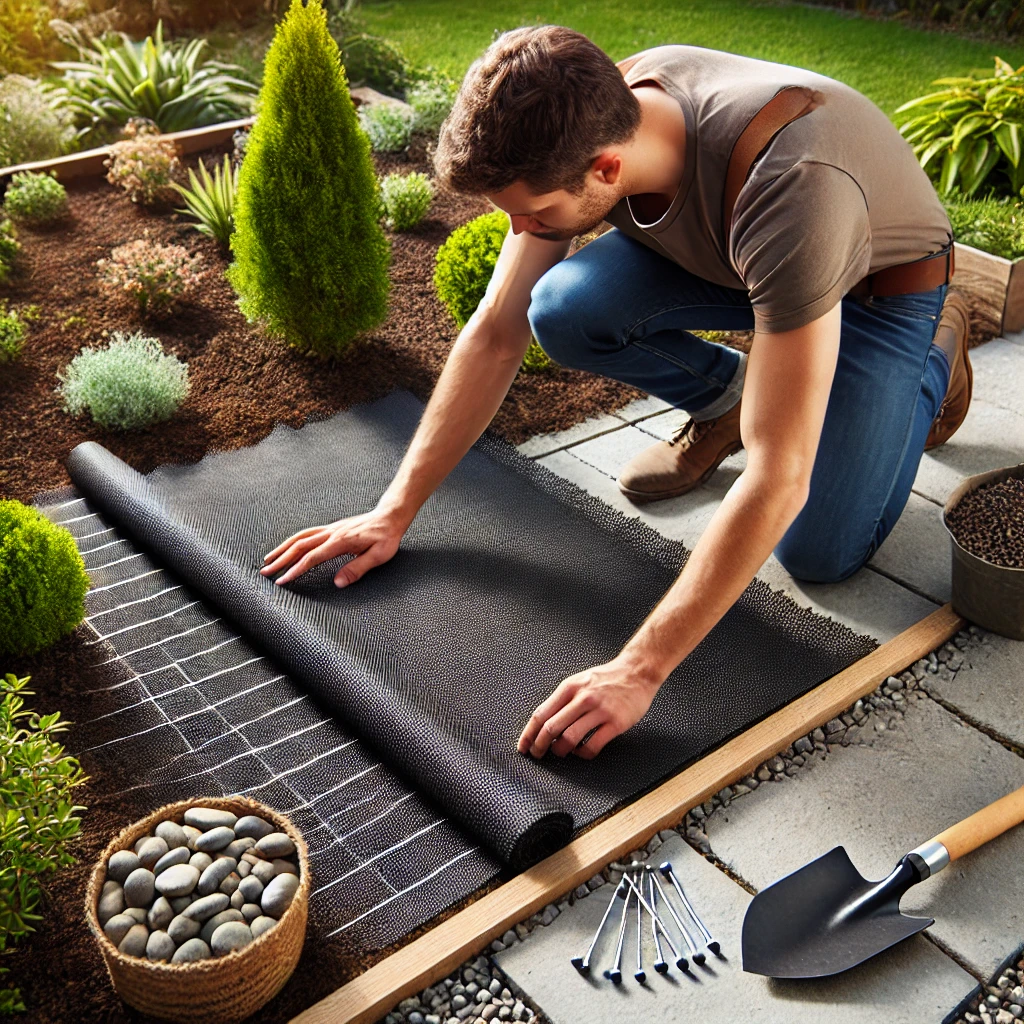
- Mulching: Apply mulch around trees, shrubs, and garden beds to retain moisture, suppress weeds, and improve soil health.
- Pruning and Trimming: Regularly prune trees and shrubs to maintain their shape and remove dead or diseased branches.
Following these steps will help you establish and maintain a healthy, vibrant lawn and landscape by adhering to best practices for lawn care and landscaping, especially with turfgrass.
Comparisons
When it comes to lawn care and landscaping, there are several approaches and techniques to consider. Here are some comparisons to help you decide what works best for your needs:
- Seeding vs. Sodding: Seeding is more affordable and allows for a greater variety of grass types, but it takes longer to establish. Sodding provides an instant lawn but is more expensive and labor-intensive.
- Organic vs. Chemical Fertilizers: Organic fertilizers improve soil health and are environmentally friendly, but they may work more slowly. Chemical fertilizers provide quick results but can harm the environment if not used properly.
- Manual vs. Automated Watering: Manual watering gives you control over how much water your lawn receives, but it can be time-consuming. Automated sprinkler systems save time and ensure consistent watering but require an upfront investment.
- DIY vs. Professional Services: Doing the work yourself can save money and give you a sense of accomplishment, but it requires time and effort. Hiring professionals can be costly but ensures that the job is done correctly and efficiently.
- Natural vs. Artificial Grass: Natural grass, including turfgrass, provides environmental benefits and a natural look and feel, but it requires regular maintenance. Artificial grass is low-maintenance and looks good year-round but has a higher initial cost and can get hot in the sun.
Consider these comparisons to determine the best practices for lawn care and landscaping that suit your preferences and budget.
Tips & Tricks
To help you achieve the best results with your lawn and landscaping, here are some expert tips and tricks:
- Watering Timing: Water your lawn early in the morning to reduce evaporation and prevent fungal diseases. Avoid watering in the evening.
- Grass Cycling: Leave grass clippings on your lawn after mowing. They decompose quickly and return valuable nutrients to the soil.
- Spot Treat Weeds: Instead of applying herbicides to the entire lawn, spot treat weeds to minimize chemical use and save money.
- Use Native Plants: Incorporate native plants into your landscape. They are well-adapted to your local climate and require less water and maintenance.
- Layering Mulch: Apply mulch in layers to retain moisture and prevent weeds. Keep mulch away from tree trunks to prevent rot.
- Edge Your Lawn: Use a string trimmer or edger to create clean, defined edges along walkways and garden beds. This gives your lawn a polished look.
- Fertilize Sparingly: Over-fertilizing can harm your lawn and the environment. Follow recommended guidelines and apply fertilizers sparingly.
- Monitor for Pests: Regularly inspect your lawn for signs of pests and take action early. Integrated pest management (IPM) strategies can help control pests without harming beneficial insects.
- Aerate During Growing Season: Aerate your lawn during its peak growing season for the best results. For cool-season grasses, this is in the fall, while for warm-season grasses, it’s in the spring.
- Rotate Mowing Patterns: Change your mowing pattern each time you mow to prevent soil compaction and encourage even growth.
By following these tips and tricks, you can maintain a healthy and attractive lawn and landscape by adhering to the best practices for lawn care and landscaping, especially when dealing with turfgrass.
FAQs
What is the best time of day to water my lawn? The best time to water your lawn is early in the morning, typically between 6 a.m. and 10 a.m. This allows the grass to absorb the water before the heat of the day causes evaporation. Watering in the evening can lead to fungal diseases due to prolonged moisture on the grass blades.
How often should I mow my lawn? The frequency of mowing depends on the type of grass and its growth rate. Generally, you should mow your lawn once a week during the growing season. Avoid cutting more than one-third of the grass blade height at a time to prevent stress.
What type of fertilizer should I use? The type of fertilizer you use should be based on a soil test. Organic fertilizers are great for improving soil health, while chemical fertilizers provide quick results. Follow the recommendations for your grass type and local conditions to ensure optimal growth.
How do I control weeds in my lawn? To control weeds, use a combination of pre-emergent and post-emergent herbicides. Pre-emergent herbicides prevent weed seeds from germinating, while post-emergent herbicides kill existing weeds. Hand-pulling weeds can also be effective for smaller areas.
What is turfgrass, and why is it important? Turfgrass refers to the grass species commonly used in lawns, parks, and sports fields. It is important because it provides a durable, aesthetically pleasing surface that can withstand foot traffic and environmental stresses. Turfgrass also helps prevent soil erosion and improve air quality.
Updates and Future Considerations
Staying updated with the latest trends and advancements in lawn care and landscaping can help you maintain a beautiful yard. Here are some future considerations:
- Sustainable Practices: More homeowners are adopting sustainable practices, such as using organic fertilizers, reducing water usage, and planting native species.
- Smart Irrigation Systems: Advances in technology have led to the development of smart irrigation systems that adjust watering schedules based on weather conditions and soil moisture levels.
- Drought-Resistant Turfgrass: Research is ongoing to develop drought-resistant turfgrass varieties that require less water and are more resilient to climate changes.
- Robotic Mowers: Robotic lawn mowers are becoming more popular for their convenience and efficiency. These devices can be programmed to mow your lawn on a regular schedule without any manual effort.
- Vertical Gardening: For those with limited space, vertical gardening offers a way to maximize planting areas by growing plants on walls and other vertical structures.
By keeping up with these trends, you can continue to follow the best practices for lawn care and landscaping and ensure your yard remains beautiful and sustainable.
Cost or Price
The cost of lawn care and landscaping can vary widely depending on several factors, including the size of your yard, the type of grass and plants, and whether you choose to do the work yourself or hire professionals. Here’s a breakdown of potential costs:
- Initial Setup: Establishing a new lawn can be expensive, especially if you choose to sod instead of seed. Costs for soil preparation, turfgrass, and initial planting can range from a few hundred to several thousand dollars.
- Tools and Equipment: Investing in quality tools and equipment is necessary for proper lawn care. A good lawn mower, string trimmer, and other essential tools can cost several hundred dollars.
- Ongoing Maintenance: Regular maintenance costs include water, fertilizers, and pest control products. These expenses can add up to a few hundred dollars per year.
- Professional Services: Hiring a landscaping company for regular maintenance or specific projects can be costly. Prices vary based on the services provided and the frequency of visits.
- Smart Technology: Upgrading to smart irrigation systems or robotic mowers involves an initial investment but can save money in the long run through reduced water usage and labor costs.
Understanding these costs and planning your budget accordingly can help you manage the expenses associated with best practices for lawn care and landscaping.