When setting up a workshop in your garage, selecting the right work bench is crucial. Two popular materials dominate the market: wood and metal. Each offers distinct advantages and disadvantages depending on your specific needs, ranging from durability to ease of maintenance. In this blog post, we compare wooden and metal garage work benches, providing insights into their pros and cons, cost considerations, and much more, helping you make an informed decision.
Pros of Wooden and Metal Work Benches
Wooden Work Benches:
- Aesthetic Appeal: Wooden benches bring a classic, warm look to any garage.
- Workability: Wood is easier to modify with common tools, allowing for customizations.
- Non-Conductive: Ideal for electrical work as it naturally insulates against electricity.
- Less Noise: Wood absorbs vibrations and sounds, making it quieter during use.
- Cost-Effective: Generally, wooden benches are less expensive than their metal counterparts.
Metal Work Benches:
- Durability: Metal benches are incredibly durable and withstand heavy use.
- Resistance to Damage: They resist warping and denting better than wood.
- Fire Resistance: Metal is a safer choice in environments where flammability is a concern.
- Modern Look: Provides a professional, industrial aesthetic to any workspace.
- Ease of Maintenance: Metal surfaces are easier to clean and less prone to staining.
Cons of Wooden and Metal Work Benches
Wooden Work Benches:
- Maintenance: Requires more upkeep to prevent warping and damage from moisture.
- Susceptible to Damage: Can be scratched, dented, or damaged by tools and materials.
- Heavy: Often heavier, making them difficult to move around.
- Limited Resistance: Less ideal for environments with chemicals or excessive moisture.
Metal Work Benches:
- Cost: Generally more expensive than wooden options.
- Comfort: Metal can be colder and less comfortable to work on in unheated spaces.
- Prone to Rust: Without proper treatment, metal can rust when exposed to moisture.
- Noise: Can be noisier when tools and materials are dropped on them.
Recommended Tools for Setting Up Your Garage Work Bench
To set up either a wooden or metal garage work bench, certain tools are essential:
- Power Drill: For assembling the bench and adding any custom fixtures.
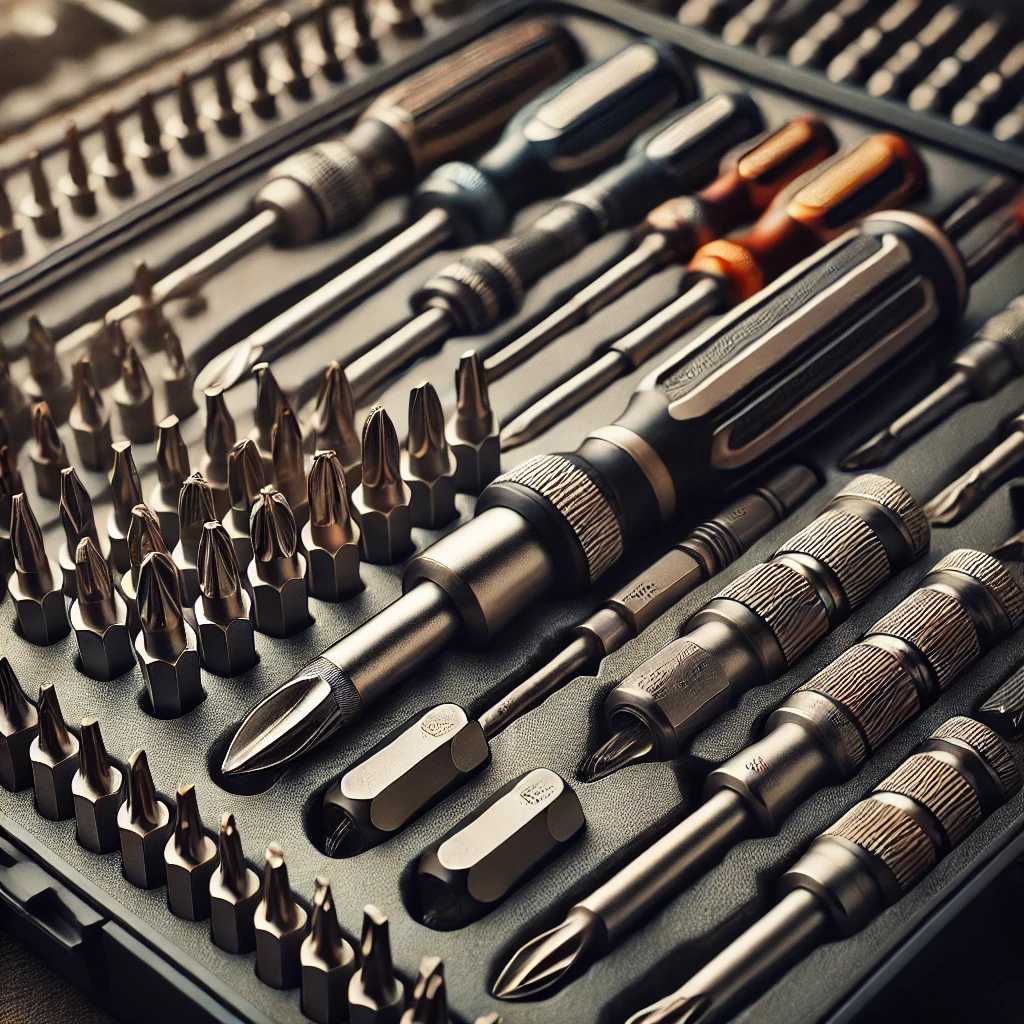
- Screwdriver Set: Essential for detailed work and tightening fixtures.
- Adjustable Wrench: Crucial for assembling metal benches and securing components.
- Measuring Tape: Ensures precise placement and fit within your garage space.
- Level: Guarantees that your workbench is perfectly horizontal for accurate work.
Price Considerations
When considering the cost of wooden vs. metal garage work benches, it’s important to factor in both the initial purchase price and long-term maintenance. Typically, wooden work benches are more affordable, ranging from $100 to $500. Metal work benches, on the other hand, can range from $200 to over $1000, depending on the quality and features. Although metal benches are initially more costly, their durability and lower maintenance may provide better value over time.
Comparisons Between Wooden and Metal Work Benches
Comparing wooden and metal work benches involves considering several factors such as durability, maintenance, cost, and suitability for specific tasks. Metal benches are favored in professional and industrial settings for their robustness and easy maintenance, while wooden benches are preferred in home garages for their aesthetics and comfort. Ultimately, the choice depends on your specific needs, budget, and the type of work you plan to do.
Tips & Tricks for Maintaining Your Work Bench
- Regular Cleaning: Keep your bench clean; dust and debris can affect its longevity.
- Protective Coating: Apply a sealant to wooden benches to protect against moisture and stains.
- Rust Prevention: For metal benches, use anti-rust sprays to prevent corrosion.
- Regular Inspections: Check for any signs of wear and tear and address them promptly.
- Proper Storage: Store tools properly to avoid unnecessary damage to the surface.
FAQs about Garage Work Benches
Q: Which type of bench is better for heavy-duty projects? A: Metal work benches are generally better for heavy-duty projects due to their strength and durability.
Q: Can I customize my work bench? A: Yes, wooden work benches are easier to customize with hooks, shelves, or even a change in finish.
Q: How do I protect my metal work bench from rust? A: Regularly applying rust-protective sprays and keeping the bench dry are effective strategies.
Updates and Future Considerations
The future of garage work benches is leaning towards customization and multi-functionality. Advances in materials mean that future benches may combine the aesthetics of wood with the durability of metal. Additionally, there’s a growing trend towards eco-friendly materials that could see more sustainable options entering the market.