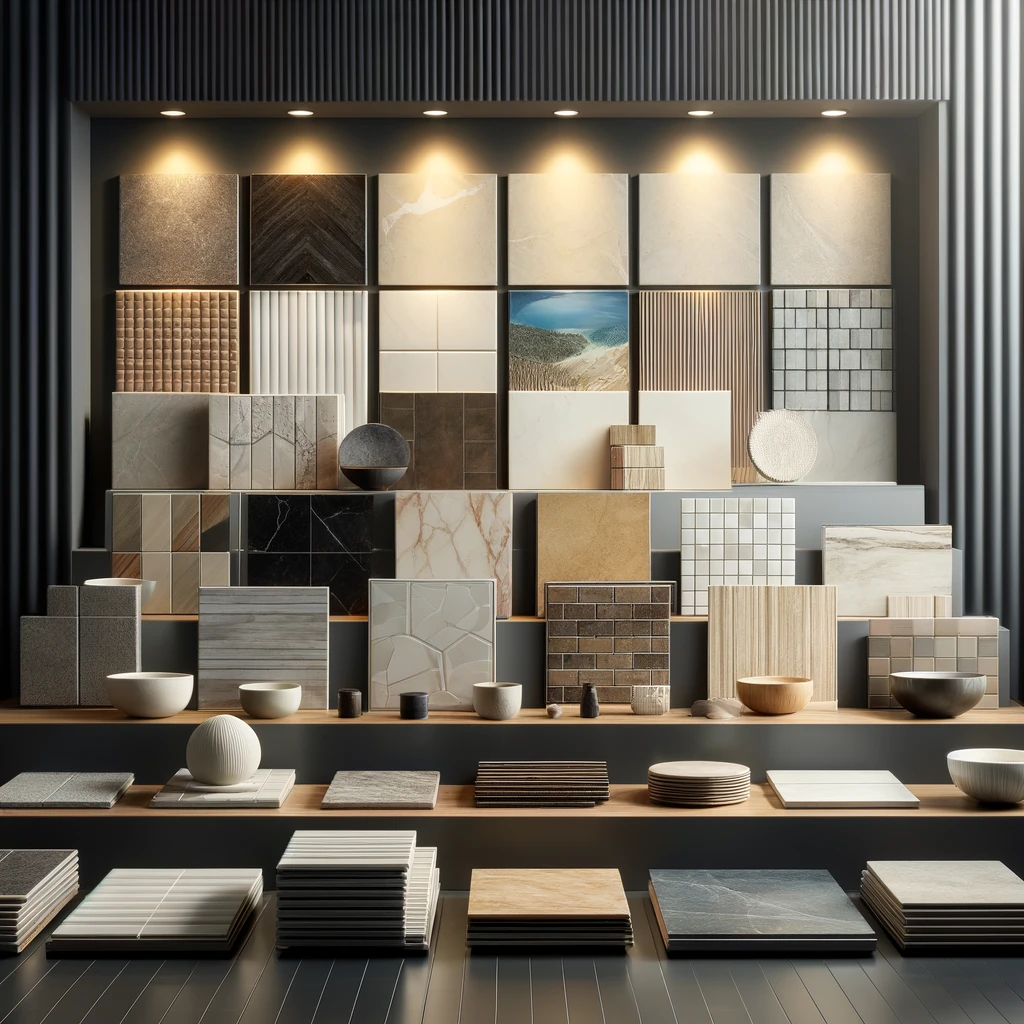
Tiles are a fundamental element in designing any space, be it your kitchen, bathroom, or flooring in general. They add aesthetic value and bring functionality to everyday living spaces. However, choosing the right tiles involves balancing durability and style, a decision that can significantly impact both the usability and the look of your space. This blog aims to guide you through this decision-making process, helping you find tiles that best fit your needs and style preferences.
Pros of Balancing Durability and Style
When selecting tiles, considering both durability and style offers several advantages:
- Long-Term Cost Efficiency: Investing in durable and stylish tiles means they will last longer while maintaining their appeal, reducing the need for frequent replacements.
- Enhanced Property Value: Homes with high-quality, aesthetically pleasing tiles often enjoy a higher market value.
- Versatility: Tiles that balance these factors can be suitable for various spaces, maintaining consistency throughout your home.
- Low Maintenance: Durable tiles that are also stylish typically require less upkeep, staying beautiful with minimal effort.
- Satisfaction and Enjoyment: Aesthetically pleasing, durable tiles enhance the environment, making spaces more enjoyable to use.
Choosing the right tiles is a blend of art and science, and knowing the benefits can guide your decision toward a choice that meets both practical and aesthetic demands.
Cons of Focusing Solely on Durability or Style
Focusing too much on either durability or style can have its drawbacks:
- Compromised Aesthetics: Over-prioritizing durability might lead to choosing tiles that don’t fit your desired style, impacting the overall decor.
- Potential Overinvestment: Investing heavily in ultra-durable tiles for a low-traffic area might not be cost-effective.
- Limited Choices: Focusing solely on style may reduce your options in more resilient materials suitable for high-traffic areas.
- Increased Maintenance: Highly stylish tiles that lack durability may require more upkeep or even replacements, adding to long-term costs.
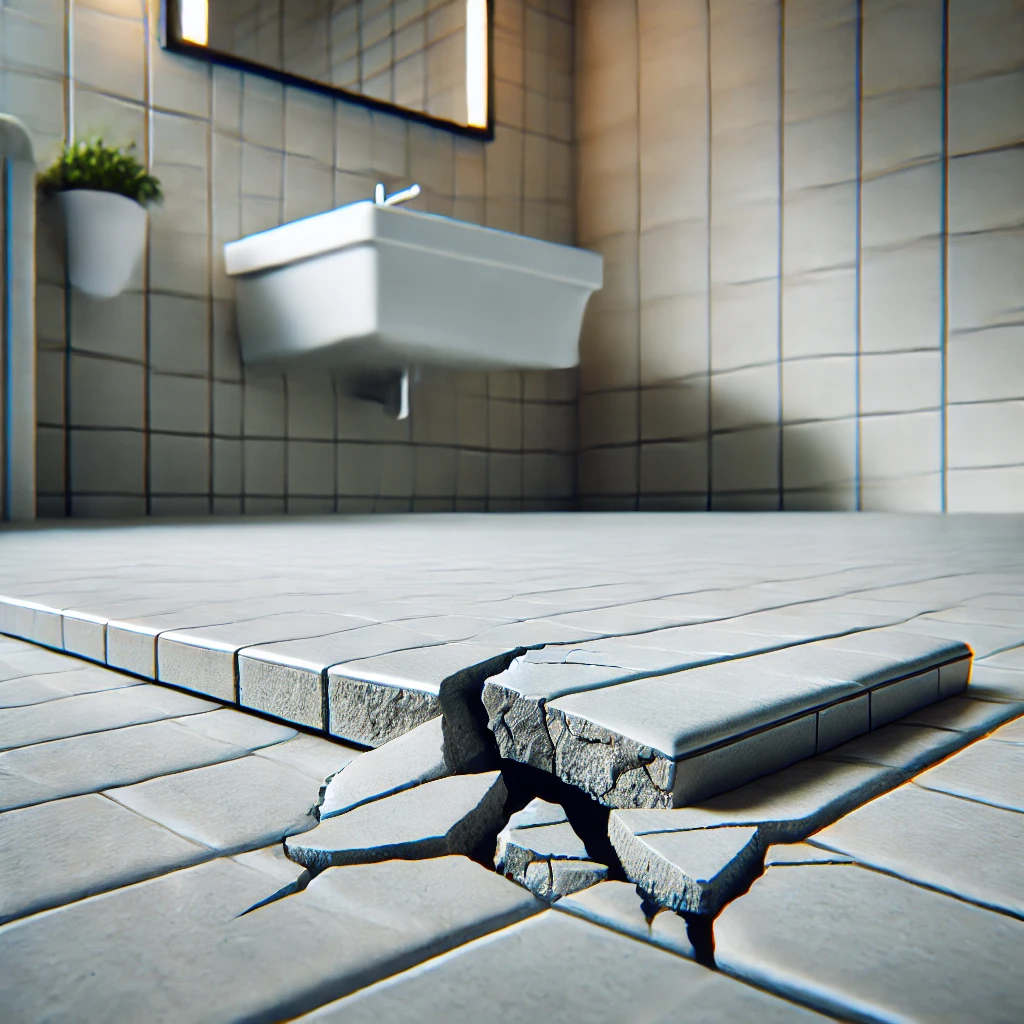
- Functionality Issues: Ignoring durability can lead to functional problems in high-use areas, where wear and tear are more prominent.
Balancing these aspects is crucial to avoid potential pitfalls and ensure that your tile selection meets both functional and aesthetic needs effectively.
Recommended Tools for Tile Projects
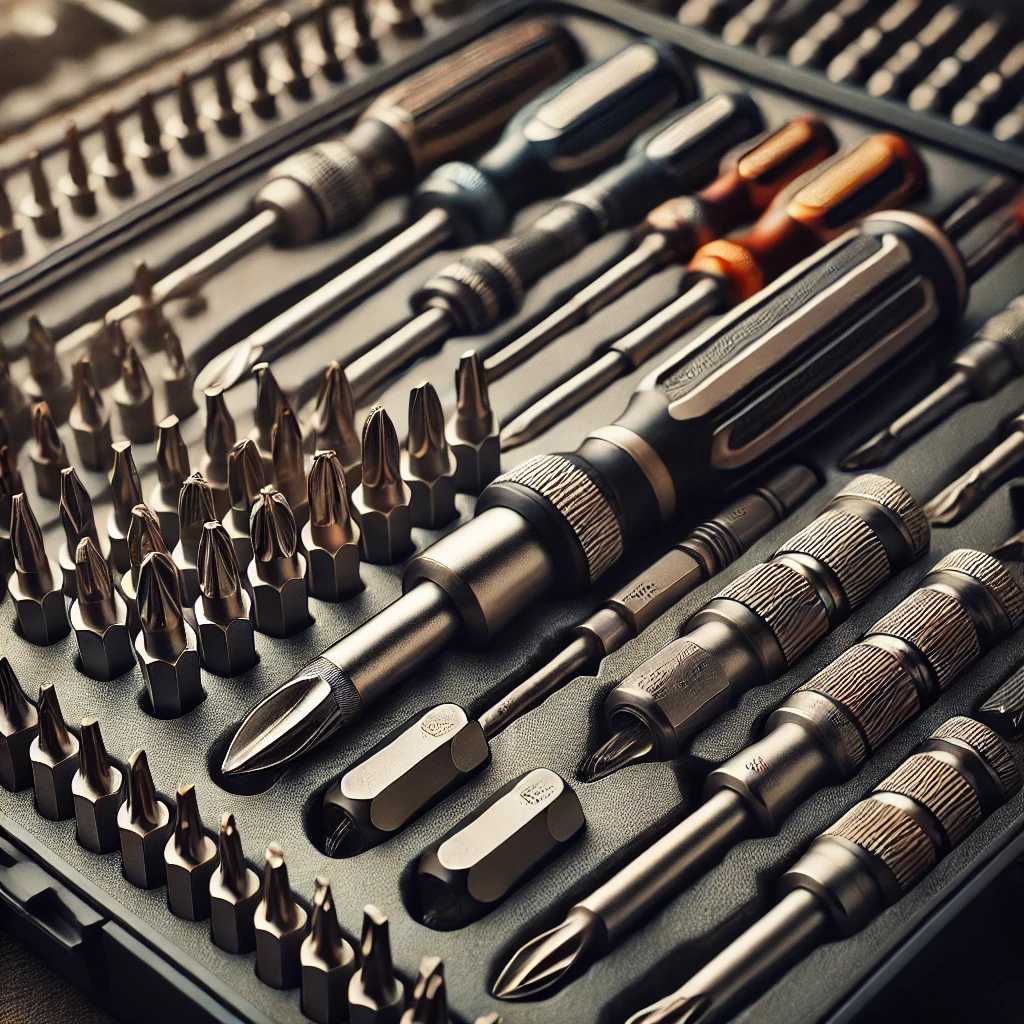
To handle tile installation effectively, you’ll need several tools:
- Tile Cutter: Essential for cutting tiles to fit your space accurately.
- Tiling Trowel: Used to apply adhesive evenly before laying down tiles.
- Tile Spacers: Ensure even spacing between tiles for a professional finish.
- Level: Key for ensuring your tile installation is perfectly horizontal and smooth.
- Grout Float: Used for applying and spreading grout evenly between the tiles.
These tools are critical for ensuring a smooth, professional-looking installation that will last and look great.
Comparisons Between Tile Types
Understanding the differences between various tile types can help in making an informed decision:
- Porcelain vs. Ceramic: Porcelain tiles are denser and less porous than ceramic, making them more durable but often more expensive.
- Natural Stone vs. Synthetic Tiles: Natural stone offers a unique beauty but requires more maintenance compared to synthetic alternatives that can mimic the look with less upkeep.
- Glossy vs. Matte Finishes: Glossy tiles brighten a room by reflecting light, whereas matte finishes provide a more consistent, understated look and are less slippery, making them ideal for bathrooms.
Tips & Tricks for Choosing the Right Tiles
- Assess the Traffic: Choose more durable tiles for high-traffic areas.
- Consider the Light: Light-colored tiles can make small rooms appear larger.
- Maintenance: Opt for tiles that are easy to clean and resist wear.
- Safety: For wet areas, consider tiles with a high slip resistance.
- Sample Tiles: Bring home samples to see how the tiles look under your lighting conditions.
FAQs About Tile Selection
- Q: How do I choose between porcelain and ceramic tiles? A: Consider the area of use. Porcelain is better for high-traffic and moisture-prone areas due to its durability and water resistance.
- Q: Are expensive tiles always better? A: Not necessarily. While more expensive tiles often offer unique designs and higher durability, there are many cost-effective options that do not compromise on quality or style.
Updates and Future Considerations in Tile Technology
Tile technology continues to evolve, with new materials and printing technologies that enhance both durability and style. Future trends may include more eco-friendly production processes and advanced materials that offer even greater durability and design versatility.
Understanding Tile Costs
The cost of tiles can vary widely based on material, size, and design complexity. While porcelain tiles may be pricier, their longevity and resilience can provide better long-term value. Setting a budget and considering both initial and long-term costs can help in making a cost-effective choice.
By carefully considering these factors, you can select tiles that offer the best balance of durability and style, enhancing the beauty and functionality of your space for years to come.