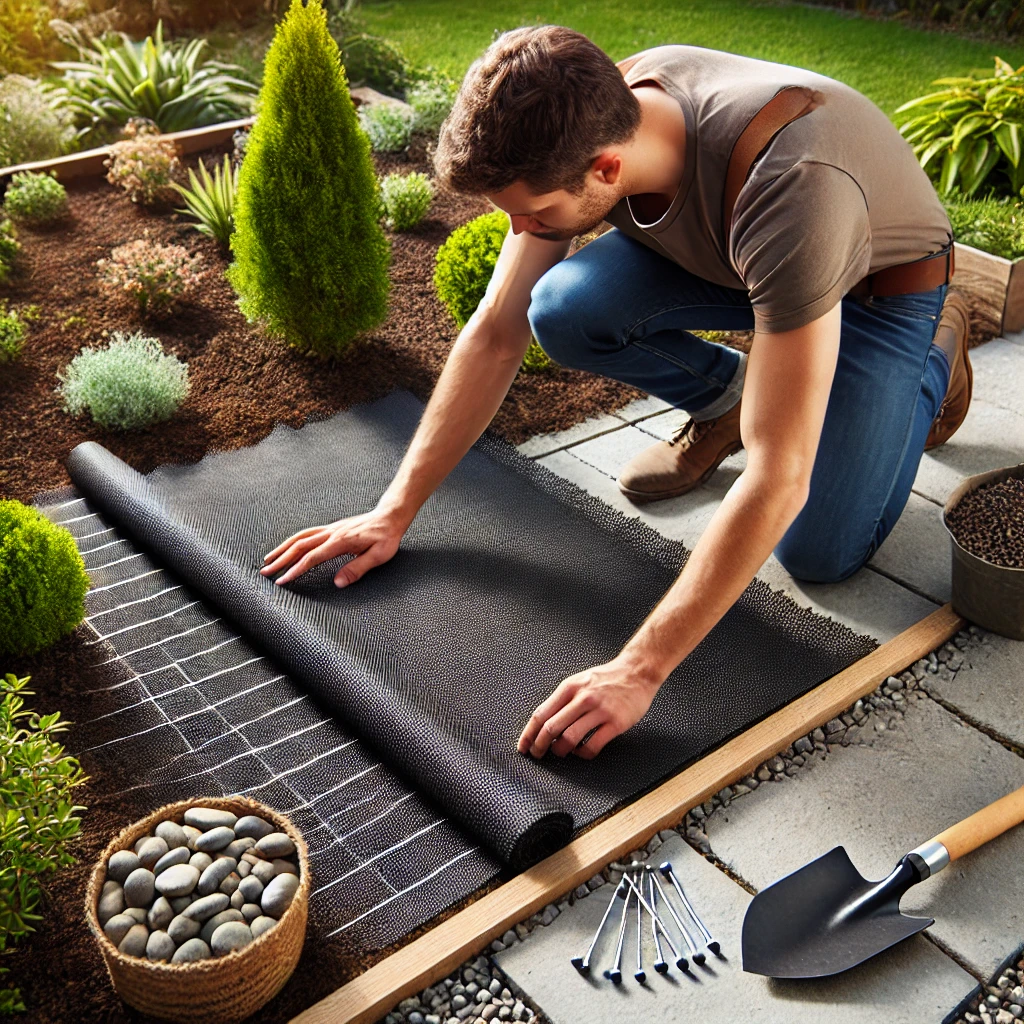
In recent years, eco-friendly home renovations have gained significant traction among homeowners looking to reduce their carbon footprint and save on energy costs. This blog delves into the best eco-friendly home renovation ideas that not only enhance energy efficiency but also promote sustainable living. Whether you’re planning a minor update or a major remodel, these ideas will guide you to make your home more environmentally friendly.
Pros
Adopting eco-friendly renovation ideas brings numerous benefits:
- Reduced Energy Bills: Energy-efficient appliances and insulation cut down on utility costs.
- Increased Home Value: Eco-friendly homes often attract higher resale values.
- Enhanced Comfort: Improved insulation and windows enhance indoor comfort year-round.
- Environmental Impact: Lower carbon emissions contribute to a healthier planet.
- Incentives: Many governments offer rebates and incentives for green upgrades.
Cons
While the advantages are compelling, there are some drawbacks:
- Upfront Costs: Initial investments can be high, though they often pay off over time.
- Complexity of Choices: Determining the most effective upgrades can require extensive research.
- Availability of Materials: Some green materials are less readily available than traditional ones.
- Specialized Labor: Some eco-friendly renovations may require specialized contractors.
- Regulatory Hurdles: Some regions have stringent codes that complicate green remodeling.
Recommended Tools for the Project
To undertake eco-friendly renovations, consider these essential tools:
- Energy Audit Kit: Helps identify areas where energy efficiency can be improved.
- High-Quality Caulking Gun: For sealing gaps and cracks to improve insulation.
- Thermal Leak Detector: Pinpoints weak spots in insulation.
- Solar Panel Installation Kit: For homeowners choosing to install solar panels.
- Recycled Material Calculator: Helps estimate the amount of recycled materials needed for renovations.
Comparisons
Traditional vs. Eco-Friendly Renovations:
- Cost: Traditional might be less upfront but more in the long-term due to higher energy bills.
- Durability: Eco-friendly materials are often more durable.
- Maintenance: Green renovations can require less maintenance due to higher quality materials.
- Impact: Traditional renovations typically have a greater negative environmental impact.
- Resale Value: Homes with green upgrades tend to have a higher market value.
Tips & Tricks
- Maximize Natural Light: Use light shelves and skylights to reduce the need for artificial lighting.
- Choose Sustainable Materials: Opt for recycled or sustainably sourced materials.
- Upgrade Insulation: Enhanced insulation keeps your home temperate and reduces heating and cooling costs.
- Install Smart Thermostats: These can significantly reduce energy consumption.
- Consider Geothermal Heating: Although expensive, it can save a lot in the long run.
FAQs
What is the most cost-effective eco-friendly renovation?
Answer: Adding insulation and sealing leaks are among the most cost-effective measures, offering significant energy savings for a relatively low initial investment.
How long do eco-friendly renovations take to pay for themselves?
Answer: This can vary widely, but most projects like solar panels or high-efficiency HVAC systems pay for themselves through energy savings within 5 to 10 years.
Can I do eco-friendly renovations myself?
Answer: Many projects, such as installing weather stripping or upgrading lighting to LEDs, are DIY-friendly. However, tasks like installing solar panels typically require professional help.
What should I prioritize in my eco-friendly renovation?
Answer: Prioritize renovations that will have the largest impact on energy consumption, such as improving insulation, windows, and heating systems.
Cost Considerations
The cost of eco-friendly renovations can vary widely depending on the scope and materials chosen. Simple upgrades like switching to LED lights or installing low-flow fixtures are relatively inexpensive, while larger projects like solar panel installation or a complete HVAC overhaul can require a significant investment. However, these costs are often offset by long-term savings on energy bills and potential tax incentives.
Updates and Future Considerations
As technology advances, new eco-friendly renovation options continue to emerge. Staying updated on the latest materials and technologies can provide even greater efficiencies and savings. Future considerations for homeowners might include integrating smart home technology or exploring new sustainable building materials that come onto the market.
By keeping these points in mind, homeowners can not only enhance their living space but also contribute to a more sustainable world. Eco-friendly renovations are an investment in both the present and the future, promoting a healthier environment while providing economic benefits.