Creating a maintenance schedule for your home is essential to ensure it remains in top condition and retains its value. By planning regular upkeep tasks, you can prevent potential problems before they become costly repairs. This guide outlines the benefits and drawbacks of having a structured maintenance plan, tools you might need, comparison with ad hoc maintenance, practical tips, and some common FAQs to help you get started.
Pros of Having a Home Maintenance Schedule
- Prevents Major Repairs: Regular maintenance identifies and fixes small issues before they escalate.
- Increases Home Value: Well-maintained homes can fetch a higher market price.
- Saves Money: Avoiding major repairs reduces unexpected expenses.
- Enhances Safety: Regular checks can prevent accidents caused by faulty systems.
- Peace of Mind: Knowing your home is in good condition reduces stress.
Regular home maintenance keeps your living space safe and comfortable while protecting your investment. By addressing minor repairs promptly, you significantly reduce the risk of facing overwhelming repair bills in the future.
Cons of Home Maintenance Schedules
- Time-Consuming: Regular maintenance requires a significant time investment.
- Requires Planning: You need to schedule and track maintenance tasks.
- Initial Costs: Purchasing tools and supplies can be costly.
- Regular Commitment: Sticking to a schedule requires ongoing commitment.
- Overlooked Tasks: Some tasks may get overlooked if not properly tracked.
While maintaining a home is beneficial, it demands consistent effort and foresight. Balancing these tasks with daily life can be challenging but is crucial for the longevity of your property.
Recommended Tools for the Project
- Calendar App: To schedule and remind you of upcoming tasks.
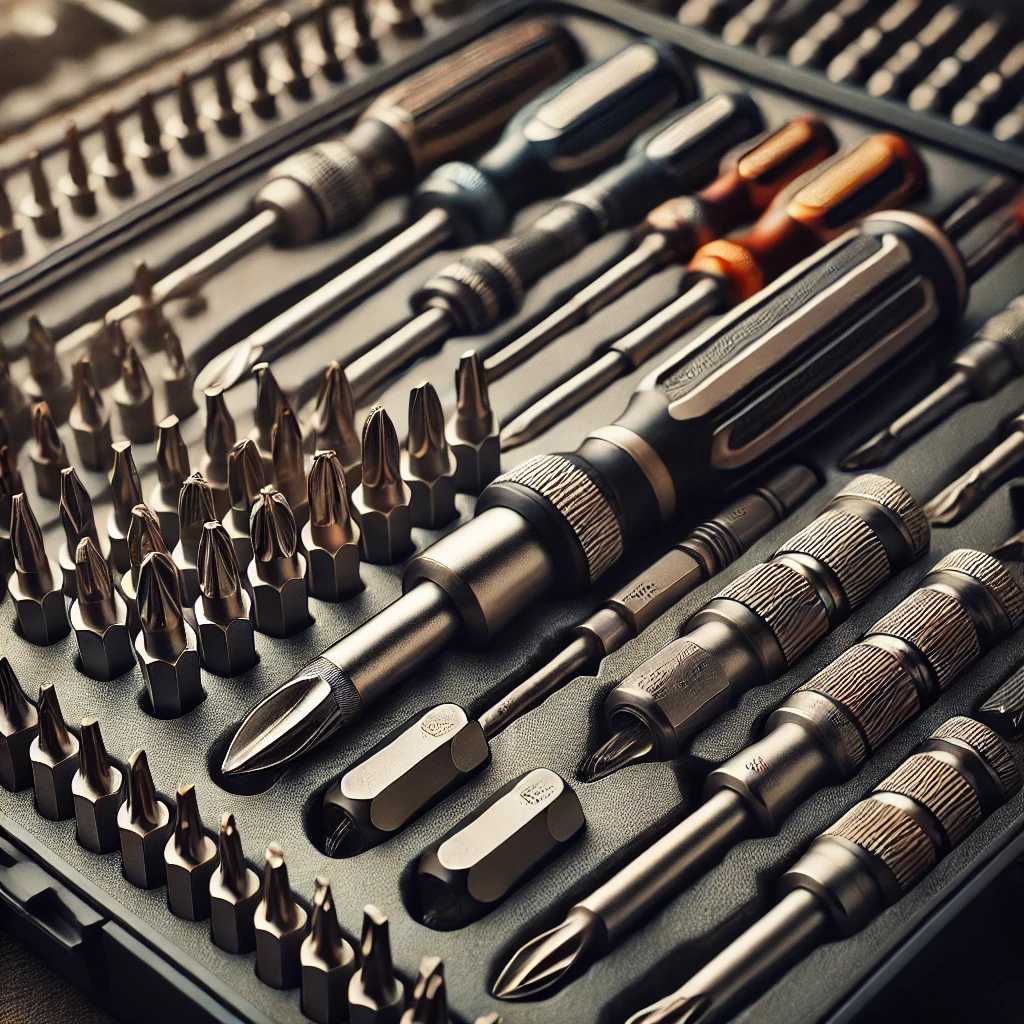
- Basic Hand Tools: Including screwdrivers, hammers, and wrenches.
- Garden Maintenance Tools: Such as lawnmowers and hedge trimmers.
- Plumbing Tools: Including plunger and pipe wrench.
- Home Inspection Checklist: To keep track of what needs attention.
Investing in the right tools can make your maintenance tasks more efficient and less cumbersome. Whether it’s simple hand tools or specialized equipment, having the right tools at your disposal is key.
Comparisons: Ad Hoc vs. Scheduled Maintenance
Scheduled maintenance allows for better planning and resource allocation, while ad hoc repairs can often lead to rushed decisions and potentially higher costs. A planned approach ensures that you are prepared and can manage your time and expenses more effectively.
Tips & Tricks for Effective Home Maintenance
- Seasonal Checks: Adjust your maintenance tasks based on the season.
- Delegate Tasks: Share responsibilities among family members.
- Use Quality Supplies: Invest in good quality repair materials.
- Regular Inspections: Make inspections a regular part of your schedule.
- Keep Records: Document all maintenance for future reference.
Staying organized and proactive in your home maintenance can greatly reduce the burden and increase the efficacy of your efforts.
FAQs About Home Maintenance Schedules
Q: How often should I inspect my roof? A: Inspect your roof at least twice a year and after major storms.
Q: What is the best time to service my HVAC? A: Service your HVAC in the spring and fall before the extreme temperatures of summer and winter.
Q: Are there any maintenance tasks I can do without professional help? A: Many tasks, like cleaning gutters, inspecting seals on windows and doors, and basic landscaping, can be done without professional help.
Cost Considerations in Home Maintenance
Maintaining a home efficiently involves initial investments in tools and materials, but these costs are generally offset by the savings from avoiding larger repairs. Budgeting for regular maintenance can help manage these expenses without financial strain.
Updates and Future Considerations
Keeping up with the latest maintenance technologies and techniques can make home upkeep simpler and more effective. Future updates to your maintenance plan might include integrating smart home technologies for monitoring your home’s systems.