Having issues with your shower’s water pressure can turn what should be a refreshing experience into a frustrating ordeal. Whether your water trickles out or fluctuates wildly, addressing this issue can vastly improve your daily routine. This guide will walk you through diagnosing and resolving water pressure problems in your shower, detailing everything from the necessary tools to cost considerations.
Pros of Fixing Water Pressure Issues
- Improved Water Flow: Enjoy consistent and satisfying showers.
- Increased Home Value: Ensures plumbing is in top condition.
- Reduced Water Wastage: Optimal pressure uses water more efficiently.
- Enhanced Overall Comfort: Boosts the quality of your bathing experience.
- Prevention of Further Issues: Addresses minor problems before they escalate.
Fixing water pressure problems not only enhances your daily shower experience but also prevents minor annoyances from turning into costly repairs. Ensuring your home’s plumbing system operates efficiently can also play a crucial role in maintaining or even increasing your property’s market value.
Cons of Ignoring Water Pressure Problems
- Potential for Higher Costs: Issues may worsen, leading to expensive repairs.
- Decreased Home Value: Ongoing problems can deter potential buyers.
- Inefficient Water Use: Poor pressure often leads to excess water consumption.
- Increased Wear and Tear: Strains other plumbing components.
- Compromised Experience: Affects the quality of your shower and overall comfort.
Neglecting water pressure issues can lead to a cascade of plumbing problems, elevating repair costs, and decreasing your home’s overall value. Addressing these issues promptly can save you money and preserve the integrity of your plumbing system.
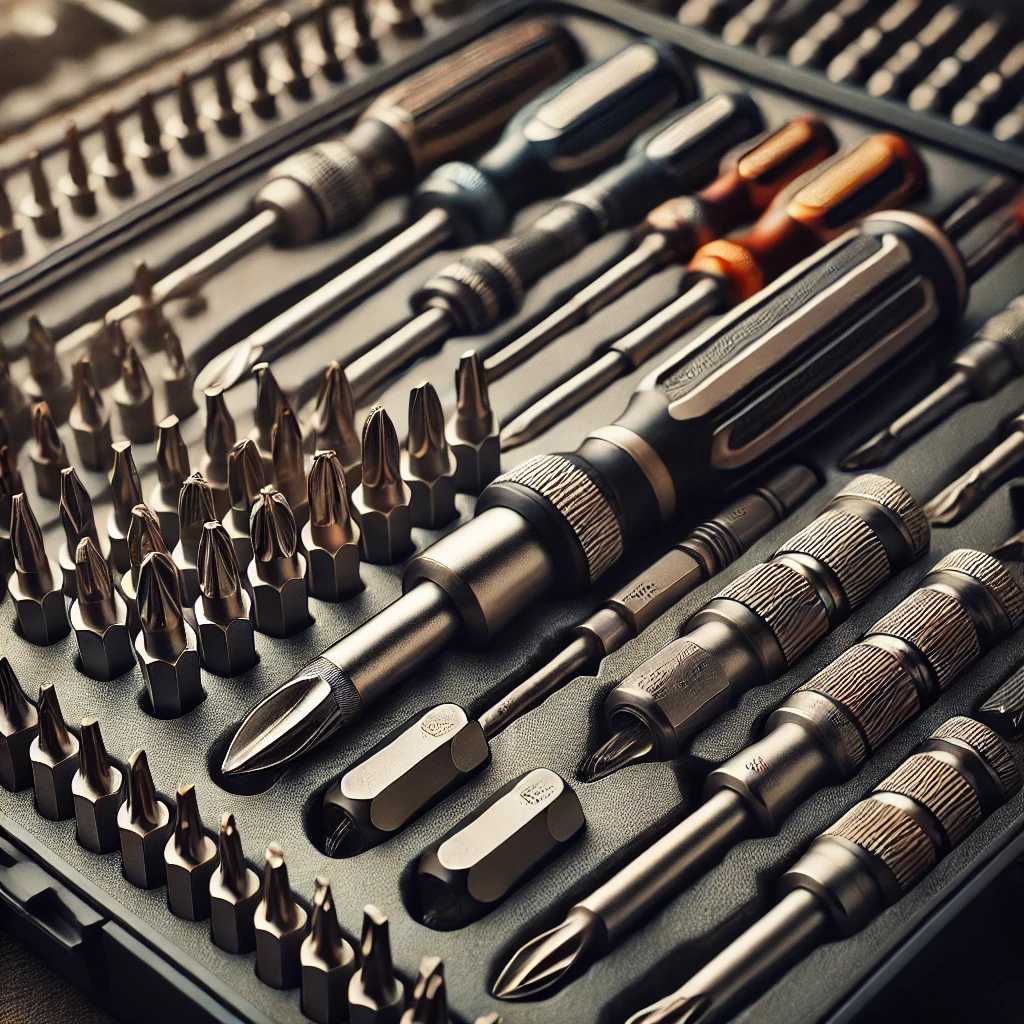
Recommended Tools for the Project
- Pressure Gauge: To measure the water pressure within your pipes.
- Adjustable Wrench: Useful for tightening or loosening fixtures.
- Plumber’s Tape: Helps seal threaded joints against leaks.
- Showerhead Cleaner: For removing mineral buildup that may block water flow.
- Pipe Insulation: Protects against temperature fluctuations affecting pressure.
Using the right tools can make the process of fixing your shower’s water pressure straightforward and effective. From simple adjustments to more involved replacements, each tool plays a crucial role in ensuring the success of your project.
Comparisons: Before and After Adjustments
Before: Fluctuating pressure, inconsistent temperatures, increased utility bills. After: Steady flow, reliable temperatures, optimized water usage.
By comparing the state of your shower’s performance before and after making adjustments, you can clearly see the benefits of resolving pressure issues. This not only improves functionality but also reduces ongoing costs associated with inefficient water use.
Tips & Tricks
- Regular Maintenance: Check your showerhead for clogs and clean regularly.
- Monitor Pressure: Keep an eye on pressure changes and act quickly if issues arise.
- Consult Professionals: When in doubt, seeking professional advice can prevent mistakes.
- Upgrade Fixtures: Consider upgrading to modern fixtures that are designed to handle pressure fluctuations better.
- Educate Yourself: Understanding basic plumbing can help you troubleshoot issues more effectively.
These practical tips can help maintain optimal water pressure and prevent future problems, ensuring that your shower remains a haven of comfort and efficiency.
FAQs
Q: What is a normal water pressure range for a shower? A: Normal water pressure for a shower should be between 40-60 psi. Pressures outside this range can lead to issues such as dripping or weak flow.
Q: Can old pipes affect water pressure? A: Yes, corrosion and buildup inside old pipes can significantly reduce water pressure by obstructing the flow.
Q: How often should I check my shower’s water pressure? A: It’s wise to check at least annually, or whenever you notice changes in the shower’s performance.
Updates and Future Considerations
Keeping up with the latest plumbing technologies and upgrades can help anticipate future issues with water pressure. Additionally, considering eco-friendly shower systems might not only solve pressure problems but also reduce water usage and heating costs.
Cost Considerations
Addressing water pressure issues in a shower can vary in cost. Simple fixes like cleaning a clogged showerhead or adjusting a pressure valve might be low-cost, yet effective. More complex problems, such as repairing old piping, might require a larger budget. Investing in quality repairs and upgrades can save money in the long run by ensuring efficiency and preventing future issues.
Fixing water pressure problems in your shower can significantly enhance your daily routine and increase your home’s value. By using the right tools, staying informed, and tackling issues promptly, you can ensure that your shower operates at its best.