In today’s fast-paced world, our home appliances are indispensable, making everyday tasks more manageable and efficient. From energy-efficient refrigerators that keep our food fresh to top-load washing machines that handle our laundry, these devices are integral to maintaining our modern lifestyle. However, the cost of replacing major home appliances can be significant, both financially and environmentally. That’s why extending the life of your appliances is not just a smart financial move but also a sustainable one. By taking a proactive approach to appliance maintenance, you can avoid the hassle and expense of frequent replacements, all while reducing your carbon footprint.
This blog will guide you through practical tips for extending the life of household appliances and detailed steps to help you get the most out of your investment. Whether you’re a seasoned DIY enthusiast or just looking to save money on home appliance repairs, our comprehensive guide will provide you with the knowledge and tools you need to keep your appliances running smoothly for years to come. We’ll cover everything from the pros and cons of appliance maintenance to the recommended tools for appliance repair and maintenance, and provide a step-by-step guide on how to extend the life of your appliances.
Additionally, we’ll explore common FAQs about extending appliance lifespan, offer comparisons between different maintenance strategies, and share tips and tricks that can make a significant difference. By the end of this guide, you’ll be equipped with the expertise to maintain your appliances effectively, ensuring they remain efficient and reliable. Whether you’re looking to save money, improve energy efficiency, or contribute to a greener planet, extending the life of your appliances is a goal worth pursuing.
Pros
Extending the life of your appliances offers numerous benefits, both financially and environmentally. Here are some specific advantages of maintaining your appliances for longer:
- Cost Savings: By extending the life of your appliances, you can save significant amounts of money that would otherwise be spent on replacements. Regular maintenance and minor repairs are often much cheaper than buying new appliances.
- Environmental Benefits: Keeping your appliances in good working condition reduces the need for new manufacturing, which helps lower carbon emissions and conserves natural resources. This is a crucial step towards a more sustainable lifestyle.
- Improved Performance: Well-maintained appliances tend to perform better and more efficiently. Regular cleaning and maintenance can prevent issues such as clogged filters or worn-out parts that can reduce efficiency.
- Safety: Properly maintained appliances are less likely to develop issues that could pose safety risks, such as electrical faults or gas leaks. Ensuring your appliances are in good condition helps protect your home and family.
- Increased Resale Value: If you ever decide to sell your home, having well-maintained appliances can increase its resale value. Potential buyers are more likely to be interested in a property with appliances that are in good working order.
Cons
While there are many benefits to extending the life of your appliances, there are also some potential downsides to consider:
- Time-Consuming: Regular maintenance and repairs can be time-consuming. You need to invest time in learning how to care for your appliances properly and carrying out necessary maintenance tasks.
- Cost of Repairs: While maintenance is generally cheaper than replacement, some repairs can be costly. It’s essential to weigh the cost of repairs against the potential lifespan extension to determine if it’s worth it.
- Limited Lifespan Extension: Even with the best care, all appliances have a finite lifespan. Sometimes, the effort and cost of maintaining an old appliance may not be worth it if the appliance is near the end of its useful life.
- Availability of Parts: For older appliances, finding replacement parts can be challenging. This can complicate repairs and potentially make it more practical to replace the appliance.
- Energy Efficiency: Older appliances, even when well-maintained, may not be as energy-efficient as newer models. This can result in higher energy bills and a larger carbon footprint.
Recommended Tools for the Project
To effectively extend the life of your appliances, having the right tools on hand is crucial. Here are some essential tools you might need:
- Multimeter: A multimeter is essential for diagnosing electrical issues in appliances. It can measure voltage, current, and resistance.
- Vacuum Cleaner: A vacuum cleaner with various attachments can help clean out dust and debris from hard-to-reach places in your appliances, such as behind the refrigerator or inside dryer vents.
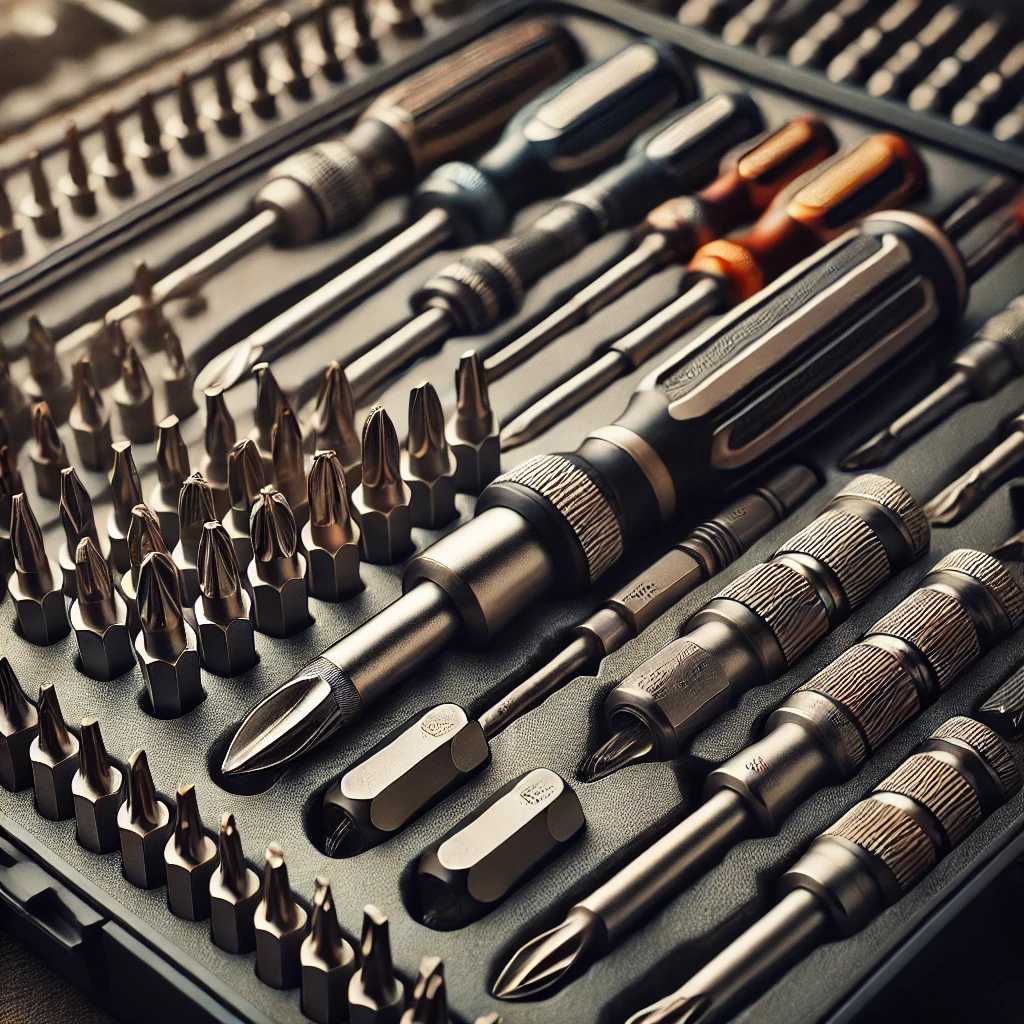
- Screwdriver Set: A comprehensive screwdriver set, including Phillips, flathead, and Torx screwdrivers, is necessary for opening appliance panels and accessing internal components.
- Lubricants: High-quality lubricants like silicone spray can help keep moving parts in good working order, preventing wear and tear.
- Cleaning Supplies: This includes specialized appliance cleaners, brushes, and cloths. Keeping your appliances clean can prevent buildup that leads to inefficiency and damage.
- Replacement Parts: Having common replacement parts on hand, such as filters, belts, and hoses, can make it easier to perform quick repairs.
- Wrenches and Pliers: These tools are useful for tightening and loosening bolts and nuts that secure various parts of your appliances.
- Heat-Resistant Gloves: When dealing with appliances that generate heat, such as ovens or dryers, heat-resistant gloves can protect your hands from burns.
Necessary Steps (1-10)
Follow these ten steps to ensure your appliances last as long as possible:
- Read the Manual: Start by thoroughly reading the user manual for each appliance. It contains vital information on proper usage, maintenance schedules, and troubleshooting tips.
- Regular Cleaning: Clean your appliances regularly. For example, clean the refrigerator coils, vacuum the dryer vent, and descale your coffee maker.
- Check Seals and Gaskets: Inspect the seals and gaskets on refrigerators, ovens, and dishwashers to ensure they are not cracked or worn. Replace them if necessary to maintain efficiency.
- Replace Filters: Regularly replace or clean filters in appliances like air conditioners, vacuum cleaners, and water filters. Clogged filters can reduce performance and cause damage.
- Tighten Loose Parts: Periodically check for and tighten any loose screws, bolts, or other fasteners on your appliances to prevent parts from falling off or becoming damaged.
- Monitor Performance: Keep an eye on how your appliances are performing. If you notice any unusual noises, leaks, or reduced efficiency, address these issues promptly.
- Use Appliances Properly: Avoid overloading your appliances and use them as intended. For example, don’t overload your washing machine or dishwasher, as this can cause unnecessary strain and damage.
- Schedule Professional Maintenance: For more complex maintenance tasks, consider scheduling professional servicing. Technicians can identify and address issues you might miss.
- Replace Worn Parts: If you notice any worn or damaged parts, replace them promptly. Ignoring small issues can lead to more significant problems down the line.
- Store Manuals and Warranties: Keep all user manuals and warranty information in a safe place. This documentation can be invaluable for troubleshooting and repairs.
Comparisons
When it comes to extending the life of your appliances, different types of appliances have varying requirements. Here’s a comparison of maintenance needs for common household appliances:
- Refrigerators vs. Freezers: Refrigerators often require more frequent cleaning of coils and gaskets compared to freezers. Freezers, however, need regular defrosting if they are not frost-free models.
- Washing Machines vs. Dryers: Washing machines require attention to their filters and hoses, while dryers need regular lint trap and vent cleaning to prevent fire hazards.
- Dishwashers vs. Ovens: Dishwashers need regular filter and spray arm cleaning, while ovens benefit from periodic deep cleaning and inspection of heating elements.
- Microwaves vs. Toasters: Microwaves should be cleaned frequently to prevent food buildup, while toasters need crumb tray cleaning and occasional checking of heating elements.
- HVAC Systems vs. Portable Heaters: HVAC systems require professional servicing and filter replacement, whereas portable heaters need regular dusting and inspection of power cords.
Tips & Tricks
Here are some tips and tricks to help you get the most out of your appliances:
- Use the Right Settings: Always use the correct settings on your appliances. For example, use the appropriate temperature settings on your washing machine and dishwasher to avoid unnecessary wear.
- Don’t Overload: Avoid overloading your appliances. This is particularly important for washing machines, dishwashers, and dryers, as overloading can cause strain and reduce efficiency.
- Mind the Power Supply: Ensure your appliances are plugged into properly grounded outlets. Using surge protectors can help protect your appliances from electrical surges.
- Keep Them Level: Make sure your appliances are level. For example, uneven washing machines can cause excessive vibrations, leading to damage.
- Use Appliance-Specific Cleaners: Use cleaners specifically designed for your appliances. This can prevent damage and maintain efficiency.
- Defrost Regularly: If you have non-frost-free freezers, defrost them regularly to maintain efficiency and prevent ice buildup.
- Inspect Hoses and Cords: Regularly check hoses and cords for signs of wear and tear. Replace them if they show any damage to avoid leaks or electrical issues.
FAQs
Q: How often should I clean my refrigerator coils?
A: Ideally, you should clean your refrigerator coils every six months. Dust and debris can accumulate on the coils, causing your refrigerator to work harder and use more energy.
Q: What are the signs that my appliance needs maintenance?
A: Common signs include unusual noises, decreased performance, leaks, and increased energy usage. Addressing these issues promptly can prevent further damage.
Q: Can I perform maintenance on my appliances myself, or should I hire a professional?
A: While many maintenance tasks can be done by homeowners, such as cleaning and replacing filters, some tasks may require professional expertise. For complex issues, it’s best to hire a professional.
Q: How can I make my washing machine last longer?
A: To extend the life of your washing machine, avoid overloading it, use the right detergent, clean the filter regularly, and check hoses for any signs of wear.
Q: Why is my dishwasher not cleaning dishes properly?
A: If your dishwasher isn’t cleaning dishes effectively, it may have clogged spray arms, a dirty filter, or hard water buildup. Regular maintenance and cleaning can resolve these issues.
Updates and Future Considerations
As technology advances, newer appliances come with enhanced features and improved efficiency. Here are some updates and future considerations for extending the life of your appliances:
- Smart Appliances: Consider investing in smart appliances that offer diagnostics and maintenance reminders. These features can help you keep track of necessary maintenance tasks.
- Energy Efficiency: Look for appliances with high energy efficiency ratings. These appliances are not only better for the environment but also tend to have longer lifespans.
- Sustainable Practices: Manufacturers are increasingly focusing on sustainable practices. Choosing appliances from companies with strong sustainability commitments can ensure better quality and longevity.
- IoT Integration: The Internet of Things (IoT) is making it easier to monitor and maintain appliances. Future appliances may come with more advanced IoT features, enabling seamless integration and proactive maintenance.
Cost or Price
The cost of maintaining and extending the life of your appliances varies depending on the type of appliance and the required maintenance tasks. Here’s a breakdown of potential costs:
- Regular Maintenance: Routine cleaning and filter replacements can cost between $20 to $50 per year per appliance.
- Professional Servicing: Hiring a professional for annual maintenance checks can range from $100 to $200, depending on the appliance and service provider.
- Replacement Parts: Common replacement parts like filters, belts, and hoses typically cost between $10 to $50 each.
- Repairs: Minor repairs can cost around $50 to $150, while more significant repairs might range from $200 to $500 or more.
- Energy Savings: Well-maintained appliances operate more efficiently, potentially saving you hundreds of dollars annually on energy bills.
By following these tips and implementing regular maintenance practices, you can significantly extend the life of your appliances, saving money and reducing your environmental impact. Whether you’re dealing with refrigerators, washing machines, or dishwashers, a little care goes a long way in ensuring your appliances serve you well for years to come.