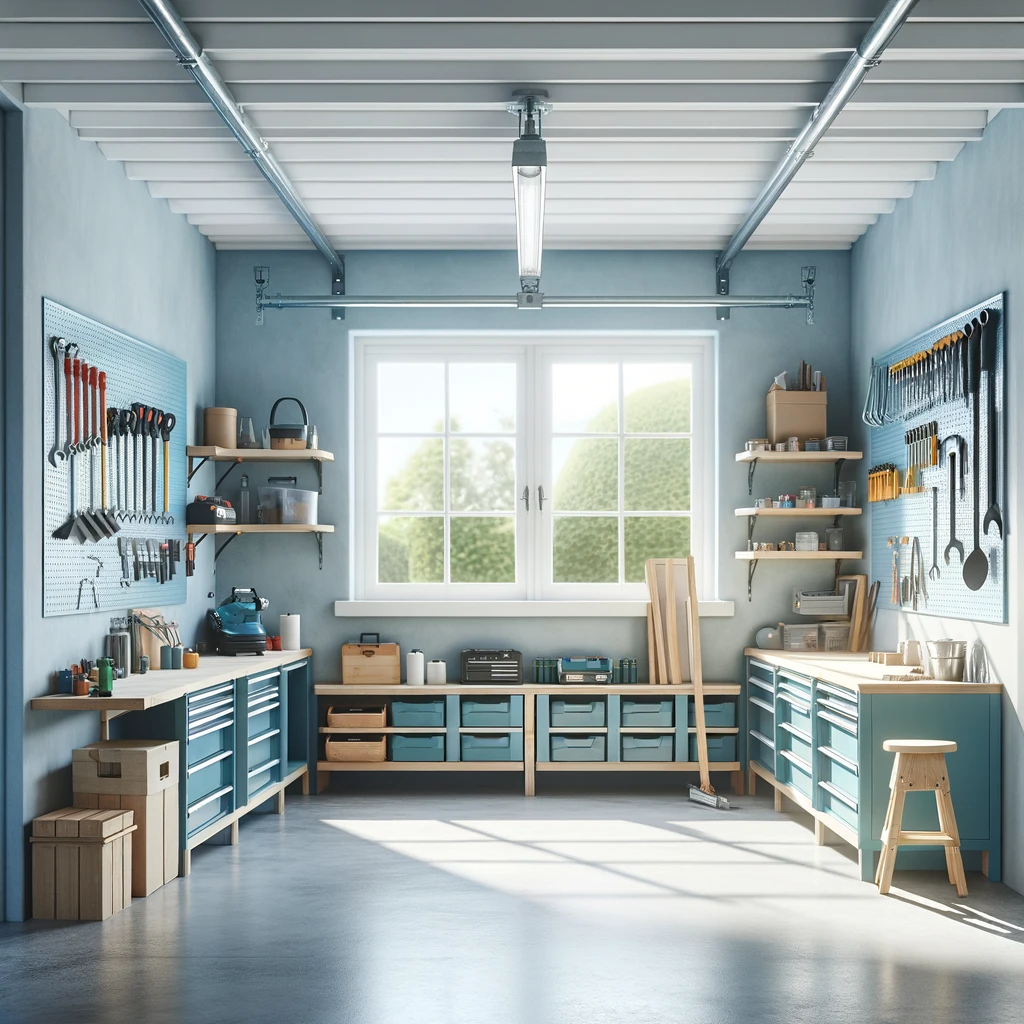
Choosing the right paint colors for your garage interiors can transform this often overlooked space into a functional and appealing area. Whether you’re renovating your garage to turn it into a workshop, a gym, or simply to make it more organized and pleasant, the color of the walls will significantly impact the overall look and feel. In this guide on how to choose paint colors for garage interiors, we will cover everything from the pros and cons of different hues, recommended tools, comparison with other spaces, tips and tricks, frequently asked questions, as well as updates and future considerations to keep in mind.
Pros of Choosing the Right Paint Colors
- Enhanced Aesthetics: The right color can dramatically enhance the visual appeal of your garage.
- Mood Setting: Colors influence mood; choose a shade that motivates you.
- Increased Property Value: A well-finished garage can add to your home’s resale value.
- Better Lighting: Light colors help in reflecting light, making the garage brighter.
- Personalization: Reflect your personal style or the functionality of the space.
The benefits of choosing an appropriate color for your garage interior are numerous. Aesthetic enhancement tops the list, as the right color can not only improve the look of your garage but also influence how you feel while using the space. For instance, light shades like white or beige can make the space appear larger and brighter, essential for detailed tasks or workouts.
Cons of Inappropriate Color Choices
- Space Limitations: Dark colors can make a small garage feel cramped.
- Maintenance Issues: Light colors might show dirt and stains more easily.
- Wrong Impressions: Colors that clash with the rest of your home can be jarring.
- Mood Disruption: Colors that are too vibrant might be distracting or unsettling.
- Resale Issues: Highly personalized colors might not appeal to potential buyers.
Choosing the wrong paint color for your garage can have several drawbacks, including making the space feel smaller or darker than it actually is. For garages that double as workshops or gyms, where focus and functionality are key, selecting overly bold or vibrant colors could potentially be more of a distraction than a benefit.
Recommended Tools for the Project
- Quality Paint Brushes and Rollers: Ensure smooth and even application.
- Painter’s Tape: For clean edges and protecting door frames.
- Drop Cloths: To protect your floor from spills and drips.
- Ladder or Stool: Essential for reaching higher spots.
- Paint Tray and Liners: For easy paint application and clean-up.
Equipping yourself with the right tools is crucial for a successful paint job. High-quality brushes and rollers will give you a smoother finish, while painter’s tape and drop cloths help keep your workspace clean and sharp.
Comparisons with Other Spaces
Unlike living rooms or bedrooms, garages require more durable and often glossier paint to resist moisture and mold due to varying temperatures and conditions. Comparatively, indoor paints might prioritize comfort and aesthetics over durability.
Tips & Tricks
- Start with a Primer: This will help the top coat of paint adhere better and last longer.
- Ventilation is Key: Keep your garage well-ventilated during the painting process.
- Test Colors First: Apply samples to see how they look in different lighting conditions.
- Consider the Lighting: Natural and artificial lighting can dramatically affect how a color looks.
- Maintenance: Choose a paint that’s easy to clean and touch up when necessary.
Implementing these tips can greatly enhance the painting process and the final outcome. Testing paint colors under different lighting conditions, for example, can prevent potential dissatisfaction due to unexpected color shifts.
FAQs
Q: What type of paint is best for garage walls? A: Typically, satin or semi-gloss finishes work best as they are easier to clean and resist moisture better than flat finishes.
Q: How do I choose a paint color that makes my garage look bigger? A: Opt for lighter colors to reflect more light and give the appearance of more space.
Q: Are there colors I should avoid in the garage? A: It’s best to avoid very dark colors if your garage is small, as these can make it feel enclosed.
Cost Considerations
The cost of painting your garage will vary depending on the quality of the paint and the size of your garage. Generally, higher quality paints cost more but offer better durability and finish. Always consider investing a bit more for a better grade of paint to avoid frequent touch-ups.
Updates and Future Considerations
Staying updated with the latest trends in garage interiors can offer inspiration for your project. Additionally, consider future-proofing your space by choosing neutral colors that will remain appealing even as trends change.