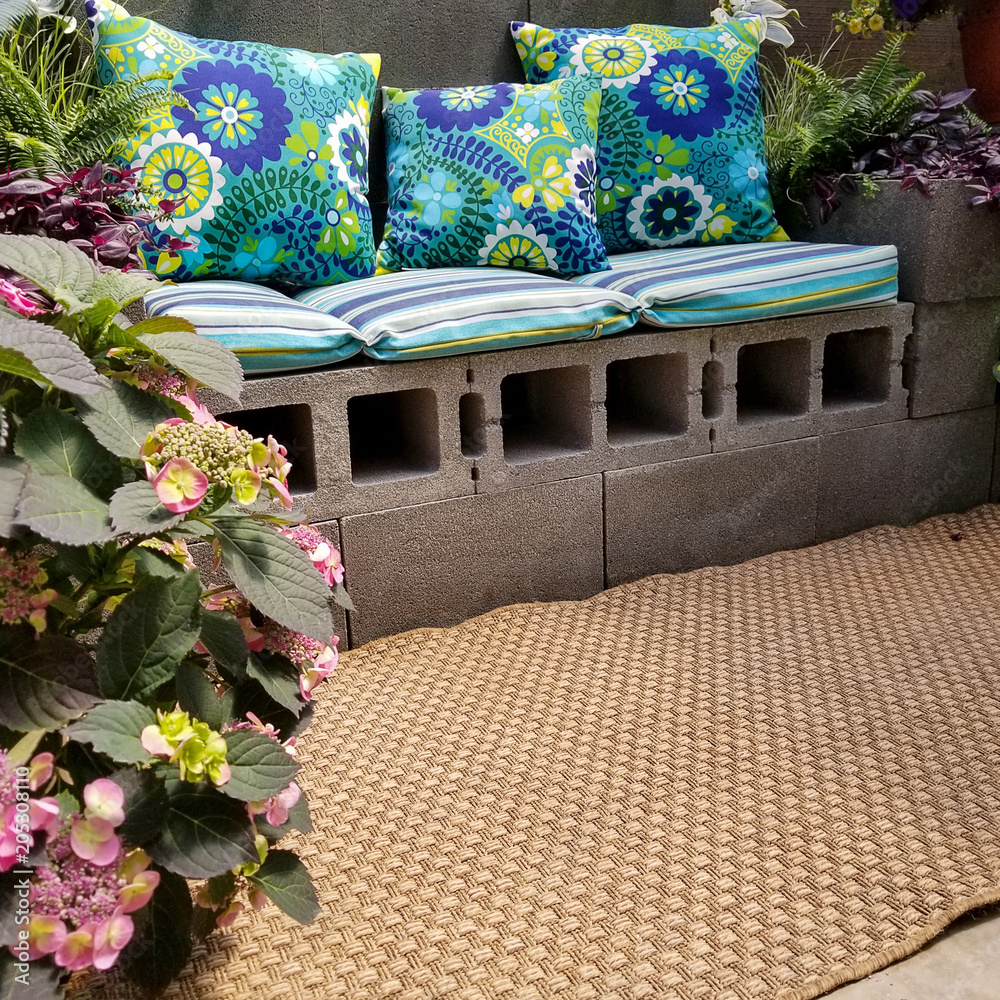
Building cinder block furniture is an excellent way to create unique, durable, and cost-effective pieces for your home or garden. This easy step-by-step guide will walk you through the process of building various types of cinder block furniture, from benches and tables to shelves and planters. Whether you’re a DIY enthusiast or a beginner, you’ll find this guide helpful and inspiring.
Pros of Building Cinder Block Furniture
Building cinder block furniture comes with a host of benefits that make it an appealing choice for many DIY enthusiasts:
- Affordability: Cinder blocks are relatively inexpensive compared to other building materials. This makes it possible to create large pieces of furniture without breaking the bank.
- Durability: Cinder blocks are incredibly sturdy and can withstand the elements, making them perfect for both indoor and outdoor use.
- Versatility: You can use cinder blocks to create a wide variety of furniture pieces, including benches, tables, shelves, and planters.
- Eco-Friendly: Repurposing cinder blocks for furniture can be an environmentally friendly option, reducing waste and promoting recycling.
- Customizable: Cinder blocks can be painted or decorated to match your personal style and the décor of your space.
With these benefits, it’s easy to see why cinder block furniture is a popular choice for many DIY projects.
Cons of Building Cinder Block Furniture
While building cinder block furniture has many advantages, there are also some drawbacks to consider:
- Weight: Cinder blocks are heavy, making the furniture difficult to move once it’s assembled.
- Rough Surface: The rough texture of cinder blocks can be uncomfortable for seating unless you add cushions or other padding.
- Limited Design Options: The blocky nature of cinder blocks can limit design possibilities compared to more flexible materials.
- Space Requirements: Due to their size, cinder block furniture can take up more space than furniture made from other materials.
- Assembly Challenges: Working with heavy cinder blocks can be physically demanding and may require additional tools and effort.
Despite these challenges, many people find the benefits of cinder block furniture outweigh the cons, especially with proper planning and execution.
Recommended Tools for the Project
To successfully build cinder block furniture, you’ll need a few essential tools. Here’s a list of recommended tools to ensure a smooth project:
- Gloves: Protect your hands from rough edges and potential injuries.
- Measuring Tape: Accurate measurements are crucial for ensuring your furniture pieces fit together properly.
- Level: A level ensures that your furniture is even and stable.
- Rubber Mallet: A rubber mallet is useful for adjusting blocks without damaging them.
- Adhesive: Use construction adhesive or masonry adhesive to secure the blocks in place.
- Sandpaper: Sandpaper can help smooth out rough edges on the cinder blocks.
- Paint and Brushes: If you plan to customize your furniture, having paint and brushes on hand will be helpful.
With these tools, you’ll be well-equipped to tackle your cinder block furniture project.
Necessary Steps (1-10)
Building cinder block furniture is a straightforward process if you follow these steps:
- Plan Your Design: Determine the type of furniture you want to build and sketch out your design. Consider the size, shape, and functionality of your piece.
- Gather Materials: Purchase the necessary cinder blocks and any additional materials such as wood planks, adhesive, and paint.
- Prepare the Area: Clear and clean the area where you’ll be building your furniture. Make sure the ground is level and stable.
- Lay the Foundation: Start by placing the first layer of cinder blocks according to your design. Use a level to ensure they are even.
- Secure the Blocks: Apply adhesive between the blocks to hold them in place. Allow the adhesive to dry according to the manufacturer’s instructions.
- Build Up Layers: Continue stacking and securing the blocks layer by layer. Use the rubber mallet to adjust the blocks as needed.
- Add Supports: If your design includes shelves or seating, add wood planks or other supports as necessary. Secure them with adhesive or screws.
- Check Stability: Ensure your furniture is stable and level. Adjust as needed before the adhesive fully dries.
- Customize: Paint or decorate your furniture to match your personal style. Sand any rough edges for a smoother finish.
- Final Touches: Add cushions, plants, or other accessories to complete your furniture piece.
Following these steps will help you create a sturdy and attractive piece of cinder block furniture.
Comparisons
When deciding to build cinder block furniture, it’s helpful to compare it with other types of DIY furniture projects:
- Wooden Furniture: Wood offers more design flexibility and a smoother finish but can be more expensive and less durable outdoors.
- Metal Furniture: Metal is sturdy and sleek but often requires more specialized tools and skills to work with.
- Plastic Furniture: Plastic is lightweight and affordable but lacks the durability and eco-friendliness of cinder blocks.
- Pallet Furniture: Pallets are versatile and inexpensive but may require more preparation and treatment to avoid splinters and pests.
Cinder block furniture stands out for its combination of affordability, durability, and simplicity, making it an excellent choice for many DIY enthusiasts.
Tips & Tricks
To make the most of your cinder block furniture project, consider these tips and tricks:
- Use Outdoor Adhesive: For outdoor furniture, choose a weather-resistant adhesive to ensure longevity.
- Sand Rough Edges: Sanding the edges of cinder blocks can make them more comfortable and safer to handle.
- Add Felt Pads: Attach felt pads to the bottom of blocks to protect floors from scratches if you’re using the furniture indoors.
- Experiment with Layouts: Don’t be afraid to try different block arrangements to find the most stable and aesthetically pleasing design.
- Incorporate Storage: Use the hollow spaces in cinder blocks for additional storage or plant holders.
These tips will help you create functional and stylish cinder block furniture.
FAQs (Frequently Asked Questions)
Q: Can cinder block furniture be used indoors?
A: Yes, cinder block furniture can be used indoors. It’s durable and can add an industrial or rustic charm to your home. Just make sure to protect your floors and consider adding cushions for comfort.
Q: How do I clean cinder block furniture?
A: Cinder block furniture can be cleaned with a mixture of water and mild detergent. Use a brush to scrub away dirt and grime. For outdoor furniture, a pressure washer can be effective.
Q: Is it safe to paint cinder blocks?
A: Yes, you can safely paint cinder blocks. Use a paint designed for masonry or concrete to ensure good adhesion and durability.
Q: How much weight can cinder block furniture hold?
A: Cinder block furniture is very sturdy and can hold a significant amount of weight, depending on the design and construction. Ensure that the blocks are properly secured and the furniture is stable.
Q: Can I move cinder block furniture?
A: Due to its weight, cinder block furniture can be difficult to move. If you anticipate needing to move it frequently, consider using fewer blocks or designing the furniture in smaller, more manageable sections.
Updates and Future Considerations
Cinder block furniture continues to evolve as more people discover its benefits. Here are some future considerations:
- Innovative Designs: As DIY enthusiasts experiment with cinder blocks, new and creative designs are emerging.
- Sustainable Materials: Using recycled or eco-friendly cinder blocks can further reduce the environmental impact.
- Advanced Customization: Techniques such as stenciling and mosaic tiling can add a unique touch to cinder block furniture.
Staying updated with these trends can help you create even more impressive and sustainable furniture pieces.
Cost or Price
One of the most appealing aspects of building cinder block furniture is its affordability. Here’s a breakdown of potential costs:
- Cinder Blocks: Typically, cinder blocks cost between $1 and $3 each, depending on the size and retailer.
- Adhesive: A tube of construction adhesive ranges from $5 to $10.
- Paint and Supplies: If you choose to paint your furniture, expect to spend around $20 to $30 on paint and brushes.
- Additional Materials: Wood planks, cushions, and other accessories can add to the cost, but these are often optional.
Overall, a basic cinder block furniture piece can cost as little as $20 to $50, making it an economical option for DIY furniture.
Building cinder block furniture is a rewarding and practical project that offers numerous benefits. With this easy step-by-step guide, you can create durable, stylish, and affordable furniture for your home or garden. Whether you’re looking to add a rustic touch to your indoor space or create a sturdy outdoor seating area, cinder block furniture is a versatile and budget-friendly option.
Happy building!