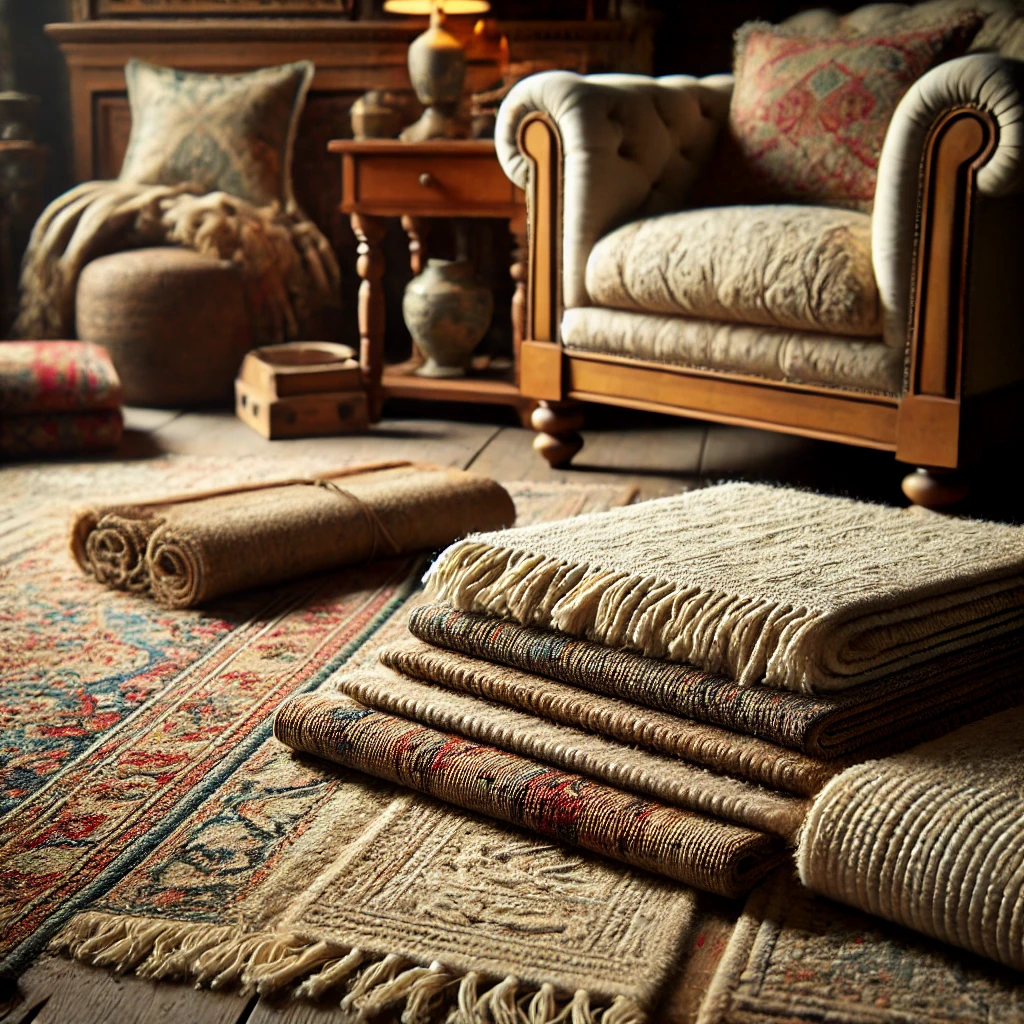
Choosing the right rug can significantly enhance the aesthetics and functionality of a room. Whether you’re looking for a cozy addition to your living space or a durable option for high-traffic areas, selecting the ideal rug involves various considerations. This guide will walk you through the pros and cons, tools you might need, steps to follow, comparisons, tips, and frequently asked questions to ensure you make an informed decision.
Pros
When you’re figuring out how to pick the right rug, understanding the benefits can help narrow your options. Here’s a breakdown of the advantages that different types of rugs can offer:
- Aesthetic Appeal: Rugs add color, pattern, and texture to a room, enhancing the overall decor.
- Comfort: A well-chosen rug provides a soft, cushioned surface that adds warmth and coziness.
- Noise Reduction: Rugs help absorb sound, reducing noise levels in a room, especially in spaces with hard flooring.
- Protection for Flooring: Rugs protect underlying floors from wear and tear, extending their lifespan.
- Versatility: Rugs can be easily swapped out or repositioned, allowing for frequent updates to your room’s look.
However, it’s essential to choose a rug that aligns with your specific needs. For instance, wool rugs are known for their durability and natural stain resistance, making them ideal for high-traffic areas. On the other hand, synthetic rugs, such as nylon or polyester, are often more affordable and easier to clean, making them suitable for families with children or pets.
Cons
As you continue to explore how to pick the right rug, it’s important to weigh the drawbacks to make an informed decision:
- Maintenance: Rugs, especially those made from natural fibers, require regular cleaning to maintain their appearance and longevity.
- Allergens: Certain materials, like wool, can trap allergens, which might not be ideal for people with sensitivities.
- Durability: Some rugs, particularly those made from delicate materials like silk, may wear out quickly in high-traffic areas.
- Cost: High-quality rugs, especially those handmade or crafted from premium materials, can be expensive.
- Size Constraints: Choosing the wrong size can disrupt the balance of your space, making the room feel either cramped or too sparse.
For example, while a shag rug offers luxurious softness, it might not be practical in homes with pets due to the difficulty in cleaning deep-pile fibers. Conversely, flatweave rugs are easier to clean but may lack the plush feel desired in a bedroom or living area.
Recommended Tools for the Project
To ensure you’re fully prepared when learning how to pick the right rug, having the right tools can make a significant difference. Below is a list of recommended tools to assist in your selection process:
- Tape Measure: Accurately measure your space to ensure the rug fits perfectly.
- Rug Pad: Protects both the rug and flooring while preventing slippage.
- Vacuum Cleaner: Essential for regular maintenance to keep your rug looking fresh.
- Carpet Shampooer: Ideal for deep cleaning, particularly for rugs in high-traffic areas.
- Furniture Sliders: Helps in positioning the rug under heavy furniture without causing damage.
For more detailed information on these tools, check out this tools and equipment guide.
Necessary Steps (1-10)
When deciding how to pick the right rug, following these steps will guide you through the process:
- Determine Your Needs: Consider the room’s function, traffic levels, and existing decor.
- Measure the Space: Use a tape measure to determine the ideal rug size.
- Choose the Material: Select a material that suits your lifestyle, such as wool for durability or jute for an eco-friendly option.
- Consider the Pile Height: Low-pile rugs are easier to clean, while high-pile rugs offer more comfort.
- Select a Color and Pattern: Choose a rug that complements your existing color scheme and design aesthetic.
- Check for Maintenance Requirements: Consider how much time and effort you’re willing to invest in cleaning and maintaining the rug.
- Evaluate the Price: Set a budget and find a rug that offers the best quality within your price range.
- Test Durability: If possible, feel the rug in person or read reviews to assess its durability.
- Think About Placement: Decide whether the rug will be the room’s focal point or a subtle backdrop.
- Purchase and Place the Rug: Once you’ve made your decision, place the rug in your space, ensuring it’s properly aligned with the furniture.
Following these steps will help you choose a rug that not only meets your practical needs but also enhances your home’s decor.
Comparisons
When learning how to pick the right rug, it’s essential to compare different types to find the best fit for your space. Here are some key comparisons:
- Wool vs. Synthetic: Wool rugs are more durable and stain-resistant, while synthetic rugs are often more affordable and easier to clean.
- Handmade vs. Machine-Made: Handmade rugs typically offer better craftsmanship and unique designs, but they come at a higher price.
- Flatweave vs. Shag: Flatweave rugs are easier to maintain, making them ideal for high-traffic areas, while shag rugs offer comfort but require more upkeep.
- Natural Fiber vs. Synthetic Fiber: Natural fiber rugs, such as jute or sisal, are eco-friendly but may not be as durable as synthetic options like nylon.
- Patterned vs. Solid Color: Patterned rugs can hide stains and wear better, while solid colors offer versatility in design but may show dirt more easily.
Understanding these comparisons will help you make a more informed decision, ensuring that the rug you choose is perfectly suited to your home’s needs.
Tips & Tricks
As you finalize your choice, here are some helpful tips and tricks for how to pick the right rug:
- Use a Rug Pad: Always use a rug pad to extend the life of your rug and protect your floors.
- Layer Rugs: Consider layering rugs for added texture and interest, especially in large or open spaces.
- Test Colors: If unsure about the color, test a sample in your space before committing.
- Consider Custom Sizes: If standard sizes don’t fit your space, look into custom-sized rugs for a perfect fit.
- Rotate Regularly: To ensure even wear, rotate your rug every few months, especially in high-traffic areas.
These tips will help you maintain the quality and appearance of your rug, ensuring it remains a valued part of your home decor for years to come.
FAQs
Q1: How do I choose the right size rug for my space? A1: Measure your room and consider the placement of furniture. For living rooms, a common rule is to have all furniture legs on the rug, or at least the front legs, to create a cohesive look.
Q2: What is the best material for a durable rug? A2: Wool is one of the best materials for durability. It’s naturally stain-resistant and holds up well in high-traffic areas. Synthetic fibers like nylon and polyester are also durable and easier to clean.
Q3: How often should I clean my rug? A3: Vacuum your rug weekly and deep clean it every 6-12 months, depending on the amount of foot traffic.
Q4: Can I use a rug in a kitchen or bathroom? A4: Yes, but choose a rug made from a material that can withstand moisture and frequent cleaning, such as a flatweave or a washable synthetic rug.
Q5: How do I prevent my rug from slipping? A5: Use a rug pad underneath your rug to keep it in place and prevent any accidents or damage to your flooring.
Updates and Future Considerations
As trends and technologies evolve, consider these future considerations when learning how to pick the right rug:
- Sustainable Options: Look for rugs made from eco-friendly materials or those produced through sustainable practices.
- Smart Rugs: Emerging technologies are integrating smart features into home decor, including rugs that can monitor foot traffic or adjust colors based on lighting.
- Modular Rugs: Modular rugs allow for custom configurations, perfect for changing room layouts or moving to new spaces.
Keeping these updates in mind will ensure that your rug choice remains relevant and functional in the years to come.
Cost or Price
The cost of a rug varies widely based on factors such as material, size, and craftsmanship. When considering how to pick the right rug, here’s what you need to know about pricing:
- Budget Rugs: Priced under $200, these are often made from synthetic materials and may have shorter lifespans.
- Mid-Range Rugs: Ranging from $200 to $1,000, these rugs often feature better materials like wool or high-quality synthetics and offer a good balance of durability and design.
- Luxury Rugs: Priced above $1,000, luxury rugs are often handmade and crafted from premium materials like silk or wool, offering unmatched durability and design.
Always set a budget before shopping and weigh the cost against the rug’s expected lifespan and the value it will add