Protecting your home from pests naturally is an essential task for homeowners who wish to maintain a healthy, eco-friendly environment. Natural pest control methods are gaining popularity as people seek to avoid the harmful effects of chemical treatments. In this comprehensive guide, we will explore the pros and cons of natural pest control, recommend effective tools, provide step-by-step instructions, and share valuable tips and tricks. By the end, you’ll have a complete understanding of how to keep your home pest-free using natural solutions.
Pros
Protecting your home from pests naturally offers a range of benefits that make it an appealing choice for homeowners looking to maintain a safe and healthy living environment. Here are some key advantages:
- Healthier Living Environment: Natural pest control methods avoid the use of toxic chemicals, reducing the risk of health issues such as allergies, respiratory problems, and skin irritations.
- Eco-Friendly: These methods are better for the environment, as they reduce the release of harmful substances into the soil and water, protecting local ecosystems.
- Cost-Effective: Many natural pest control solutions utilize common household items, making them more affordable than commercial chemical treatments.
- Safe for Pets and Children: Natural methods are generally safer for households with pets and children, preventing accidental poisoning and related health hazards.
- Sustainable: By focusing on long-term prevention rather than temporary fixes, natural pest control promotes sustainable practices that can keep pests at bay indefinitely.
- Minimized Chemical Resistance: Pests are less likely to develop resistance to natural control methods, ensuring their continued effectiveness over time.
Cons
While protecting your home from pests naturally has numerous benefits, it also comes with some drawbacks. It’s important to consider these potential downsides before deciding to rely solely on natural solutions:
- Time-Consuming: Natural methods often require more time and effort to implement and maintain compared to quick-fix chemical treatments.
- Variable Effectiveness: The success of natural pest control can vary depending on the type of pest and the specific method used. Some pests may be more resilient to certain natural approaches.
- Limited Immediate Results: Unlike chemical treatments that often provide quick results, natural methods may take longer to show significant effects, requiring patience and persistence.
- Regular Maintenance Needed: To keep pests at bay naturally, consistent maintenance and monitoring are necessary, which can be labor-intensive.
- Potential for Incomplete Eradication: Natural methods may not completely eliminate all pests, potentially leading to recurring infestations if not managed properly.
- Learning Curve: Homeowners may need to educate themselves on various natural pest control techniques, which can be time-consuming and complex.
Recommended Tools for the Project
When protecting your home from pests naturally, having the right tools can make all the difference. Here are some essential items you might need:
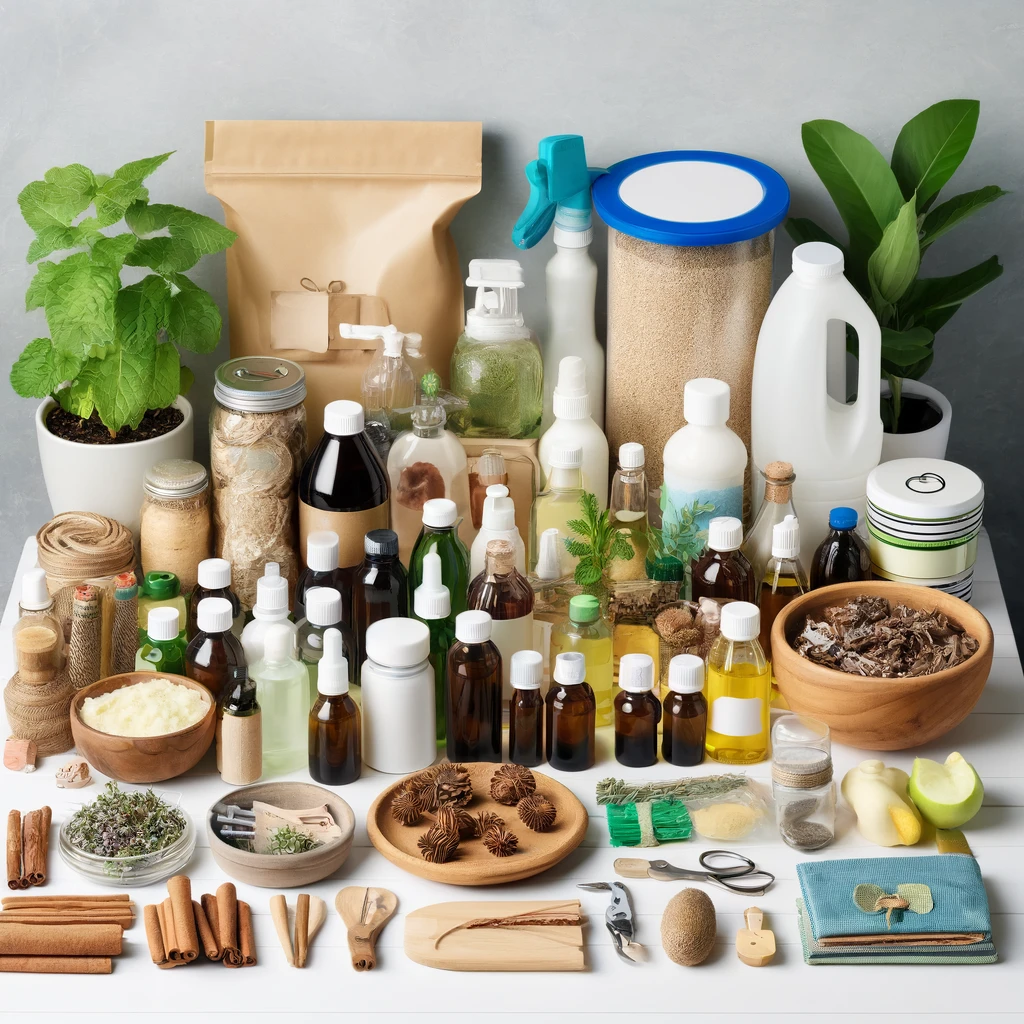
- Essential Oils: Oils such as peppermint, eucalyptus, and tea tree are effective at repelling a variety of pests including ants, spiders, and mosquitoes.
- Diatomaceous Earth: This natural powder can be spread in areas where pests are present. It’s particularly effective against insects with exoskeletons like ants and bedbugs.
- Neem Oil: Used in garden pest control, neem oil can disrupt the life cycle of pests, preventing them from reproducing.
- Cedar Chips: Placing cedar chips around your home can help repel moths, fleas, and other insects due to their strong scent.
- Vinegar: A versatile household item, vinegar can be used to create sprays that deter pests such as ants and fruit flies.
- Boric Acid: When used correctly, boric acid can be an effective treatment for cockroaches and ants, disrupting their digestive systems.
- Sticky Traps: These can capture crawling insects like spiders and centipedes, providing a non-toxic method of pest control.
- Fly Screens: Installing fly screens on windows and doors can prevent insects from entering your home in the first place.
- Sealants: To close off entry points, caulk and other sealants are essential for keeping pests out.
- Natural Baits: Using food-based baits with natural ingredients can attract and trap pests without the need for chemicals.
Necessary Steps (1-10)
Implementing natural pest control in your home involves a series of well-planned steps to ensure effectiveness. Here’s a detailed guide:
- Identify the Pests: Determine which pests are causing problems. Different pests require different natural solutions.
- Seal Entry Points: Inspect your home for cracks, gaps, and holes, and seal them using caulk or weatherstripping to prevent pests from entering.
- Maintain Cleanliness: Keep your home clean, especially kitchens and dining areas. Regularly dispose of garbage and avoid leaving food out.
- Use Natural Repellents: Apply essential oils, vinegar sprays, and other natural repellents around your home’s entry points and problem areas.
- Set Up Traps: Use sticky traps or natural bait traps to catch and monitor pest activity.
- Apply Diatomaceous Earth: Spread diatomaceous earth in areas where pests are seen. This powder is safe for humans and pets but lethal to many insects.
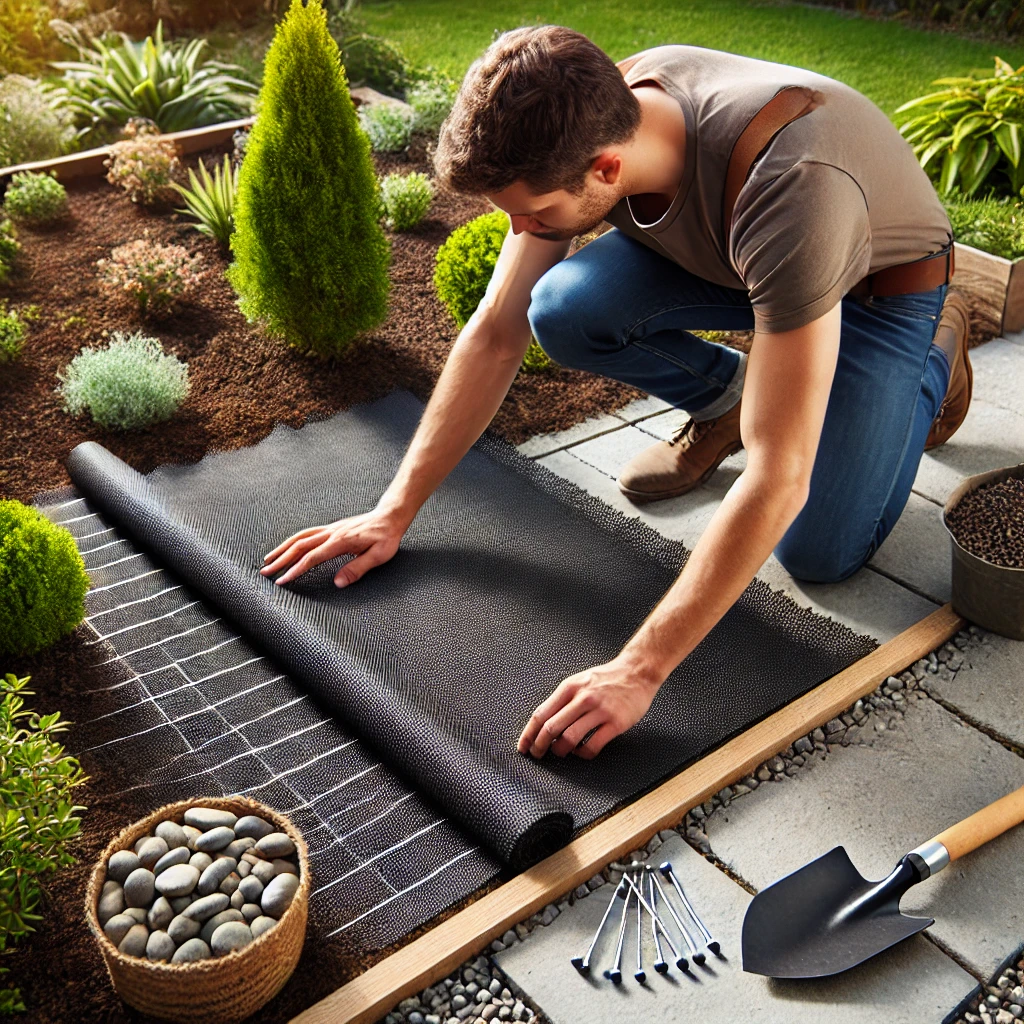
- Install Barriers: Use fly screens on windows and doors to prevent pests from entering. Consider installing door sweeps as well.
- Utilize Garden Solutions: For garden pests, use neem oil or plant pest-repelling herbs like basil, mint, and rosemary around your home.
- Monitor and Adjust: Regularly check traps and repellent areas to gauge effectiveness. Adjust your strategies as needed based on pest activity.
- Maintain Prevention Measures: Continue to keep entry points sealed, maintain cleanliness, and reapply natural repellents regularly to prevent future infestations.
Comparisons
Comparing natural pest control methods with chemical treatments can help you understand the pros and cons of each approach:
- Health Impact:
- Natural Methods: Non-toxic, safe for humans and pets.
- Chemical Treatments: Can cause health issues with prolonged exposure.
- Environmental Impact:
- Natural Methods: Eco-friendly, biodegradable solutions.
- Chemical Treatments: Potentially harmful to the environment, non-biodegradable.
- Cost:
- Natural Methods: Often cheaper, using common household items.
- Chemical Treatments: Can be expensive, especially with professional services.
- Effectiveness:
- Natural Methods: May take longer, effectiveness varies.
- Chemical Treatments: Quick results, but pests may develop resistance.
- Maintenance:
- Natural Methods: Requires ongoing effort and monitoring.
- Chemical Treatments: Often less frequent application needed.
- Safety:
- Natural Methods: Generally safer, no risk of chemical burns or poisoning.
- Chemical Treatments: Risk of accidents and chemical burns.
Tips & Tricks
To enhance the effectiveness of your natural pest control methods, consider these tips and tricks:
- Combine Methods: Use a combination of natural repellents, traps, and barriers to cover all bases.
- Regular Cleaning: Maintain a regular cleaning schedule to reduce attractants like food crumbs and garbage.
- Use Strong Scents: Pests dislike strong scents like peppermint, eucalyptus, and vinegar. Apply these in strategic locations.
- Gardening Solutions: Plant pest-repelling herbs near entry points to act as a natural barrier.
- Monitor Weather: Pests often enter homes seeking shelter from extreme weather. Increase preventive measures during such times.
- DIY Traps: Create DIY traps using household items like vinegar for fruit flies or sugar and boric acid for ants.
- Natural Predators: Encourage natural predators like birds and ladybugs in your garden to control pest populations.
- Check Pets: Regularly inspect and treat pets for fleas and ticks to prevent them from bringing pests indoors.
- Educate Yourself: Stay informed about different natural pest control methods and their effectiveness for specific pests.
- Patience: Be patient and consistent with your natural pest control efforts, as it may take time to see significant results.
FAQs
Q: How do I keep ants out of my kitchen naturally?
A: To keep ants out of your kitchen, use natural repellents like vinegar and essential oils. Clean surfaces regularly to remove food residue, and seal cracks and gaps where ants might enter. Setting up natural bait traps with a mixture of sugar and boric acid can also help control the ant population.
Q: What’s the best natural way to get rid of bed bugs?
A: Diatomaceous earth is a highly effective natural method for getting rid of bed bugs. Sprinkle it around infested areas, and vacuum regularly. Washing bedding and clothing in hot water can also kill bed bugs. Consistency is key, as bed bugs can be persistent.
Q: Can I use natural methods to control mosquitoes?
A: Yes, essential oils like citronella, lavender, and eucalyptus are effective at repelling mosquitoes. Planting mosquito-repellent herbs like basil and rosemary around your home can also help. Removing standing water where mosquitoes breed is crucial for long-term control.
Q: Are natural pest control methods safe for pets?
A: Most natural pest control methods are safe for pets. However, it’s important to use them correctly and avoid direct contact with essential oils, as they can be harmful to some animals. Always research specific products to ensure they are pet-safe.
Q: How often should I apply natural pest control solutions?
A: The frequency of application depends on the method used. Essential oils and vinegar sprays may need to be reapplied every few days, while diatomaceous earth can remain effective for weeks. Regular monitoring and maintenance are necessary to keep pests under control.
Updates and Future Considerations
As research and technology advance, natural pest control methods continue to evolve. Here are some future considerations to keep in mind for protecting your home from pests naturally:
- New Essential Oil Blends: Scientists are constantly discovering new essential oil combinations that can repel or kill pests more effectively. These blends can offer more potent and targeted solutions for various pests.
- Advanced Natural Traps: Innovations in trap design, using non-toxic attractants and more effective capture mechanisms, are making natural pest control more efficient. These traps are becoming easier to use and more effective at capturing a broader range of pests.
- Integrated Pest Management (IPM): This approach combines biological, cultural, physical, and chemical tools to manage pest populations. Future developments in IPM could provide more sophisticated and effective natural pest control strategies.
- Biological Control Agents: The use of natural predators and parasites to control pest populations is an area of ongoing research. Future developments may introduce more effective and specialized biological control agents for home use.
- Organic Pesticides: Continued research into organic pesticides derived from natural sources may offer more powerful and environmentally friendly options for pest control.
Cost or Price
When considering protecting your home from pests naturally, it’s important to factor in the cost. Natural pest control methods can vary in price, but they often provide a cost-effective solution compared to chemical treatments. Here’s a breakdown of potential costs:
- Essential Oils: Depending on the type and brand, essential oils can range from $5 to $20 per bottle. These bottles typically last for several applications, making them a cost-effective option.
- Diatomaceous Earth: A 10-pound bag of food-grade diatomaceous earth costs around $15 to $30, and it can cover a large area.
- Neem Oil: A 16-ounce bottle of neem oil concentrate is usually priced between $10 and $20 and can be diluted for multiple uses.
- Cedar Chips: A large bag of cedar chips can cost between $10 and $20, providing long-lasting pest repellent properties.
- Vinegar: A gallon of vinegar costs about $2 to $5, making it an extremely affordable option for natural pest control.
- Boric Acid: A 16-ounce container of boric acid powder costs around $10 and can be used for multiple applications.
- Sticky Traps: Packs of sticky traps typically range from $5 to $15, depending on the size and quantity.
- Fly Screens and Sealants: Installing fly screens can vary in cost based on the size and number of windows and doors, but it is generally a one-time investment. Sealants are relatively inexpensive, costing around $5 to $10 per tube.
Overall, the initial investment in natural pest control tools and supplies can be modest, especially considering their long-term benefits and reusability.
By following these guidelines and using the recommended tools and methods, you can successfully protect your home from pests naturally. Not only will this approach help you avoid harmful chemicals, but it will also promote a healthier living environment for you, your family, and your pets. As natural pest control methods continue to evolve, staying informed about new developments and integrating them into your pest management strategy will ensure long-term success in keeping your home pest-free.