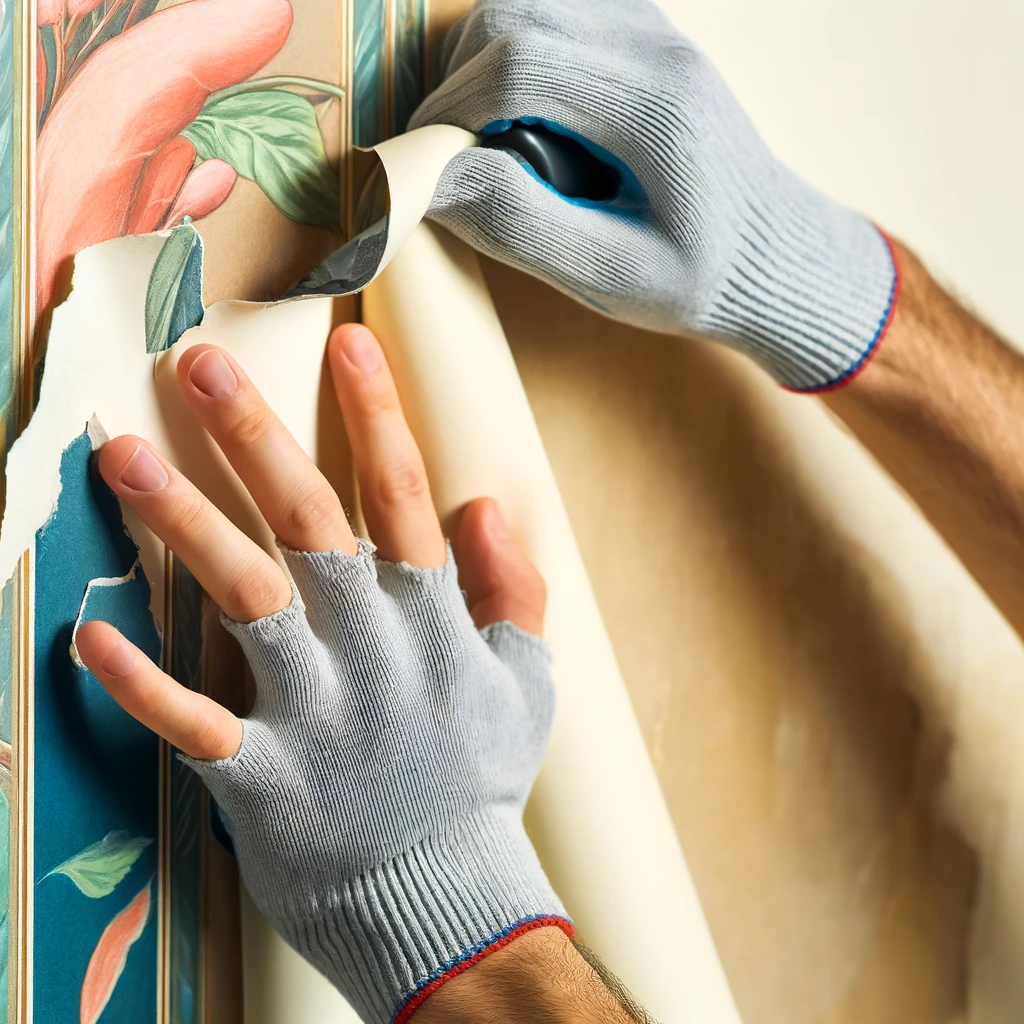
Removing wallpaper without damaging the underlying walls is a concern for many homeowners and renters who wish to update their living spaces without incurring additional repair costs. This blog provides detailed guidance on how to achieve this task effectively, highlighting the pros and cons, recommended tools, cost considerations, and much more.
Pros of Removing Wallpaper Carefully
- Preservation of Wall Integrity: Keeping the walls in good condition avoids additional plastering or painting costs.
- Cost-Efficient: It’s cheaper to remove wallpaper correctly the first time than to fix damaged walls later.
- Ready for Redecoration: Clean removal means the walls are primed and ready for paint or new wallpaper.
- No Chemical Use: Techniques that avoid harsh chemicals are safer for your home and the environment.
- Increase Home Value: Removing outdated wallpaper can increase the appeal and value of your home.
Removing wallpaper with care preserves the structural and aesthetic integrity of your walls. This approach ensures that the walls remain smooth and undamaged, facilitating easier and more effective redecoration.
Cons of Improper Wallpaper Removal
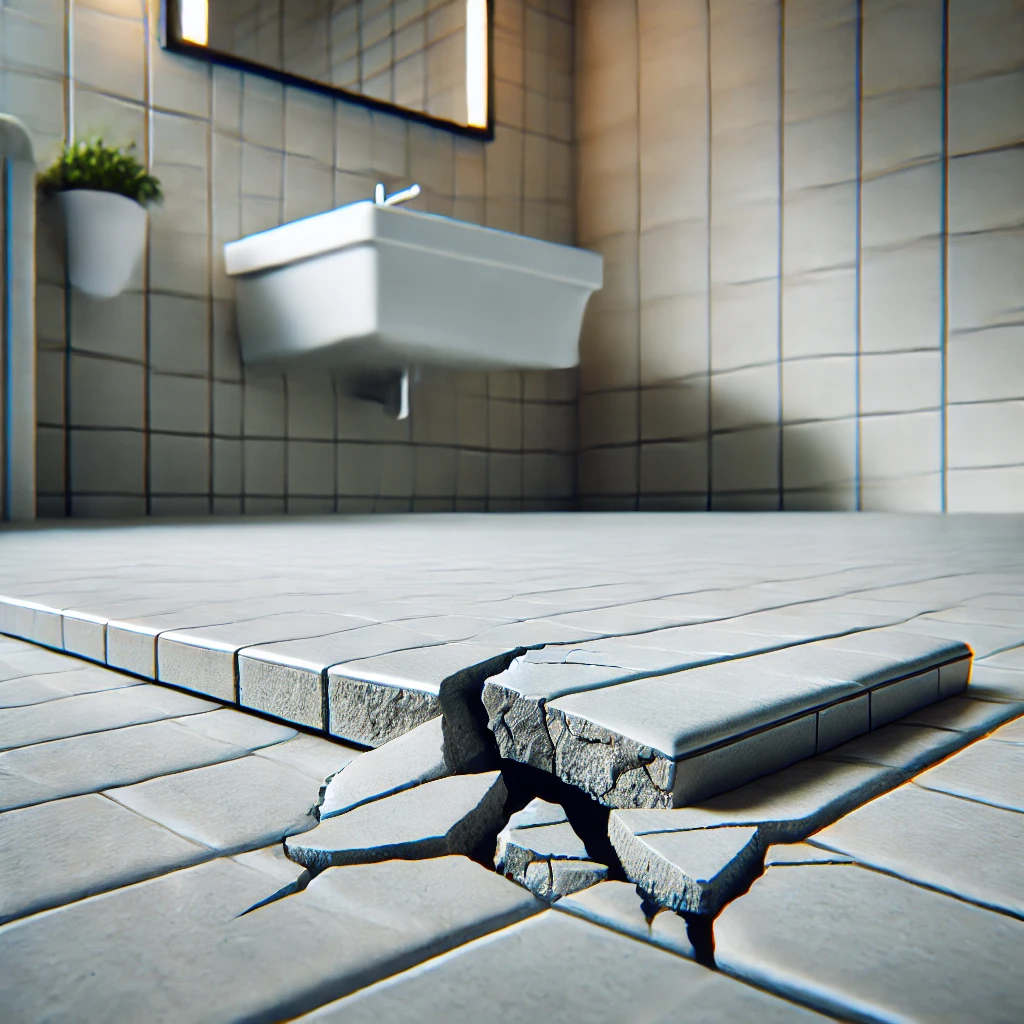
- Wall Damage: Incorrect techniques can lead to gouges, peeling paint, or torn drywall.
- Increased Costs: Damages may result in unexpected repair costs, increasing the overall project budget.
- Time-Consuming: Repairs due to damage can significantly extend the duration of your renovation project.
- Physical Effort: Removing wallpaper without proper tools or techniques can be physically demanding.
- Potential for Chemical Use: Some removal methods involve harsh chemicals that can harm your health and environment.
Improper wallpaper removal techniques can lead to extensive wall damage, resulting in higher costs and additional time spent on repairs. It’s crucial to follow recommended practices to avoid these pitfalls.
Recommended Tools for the Project
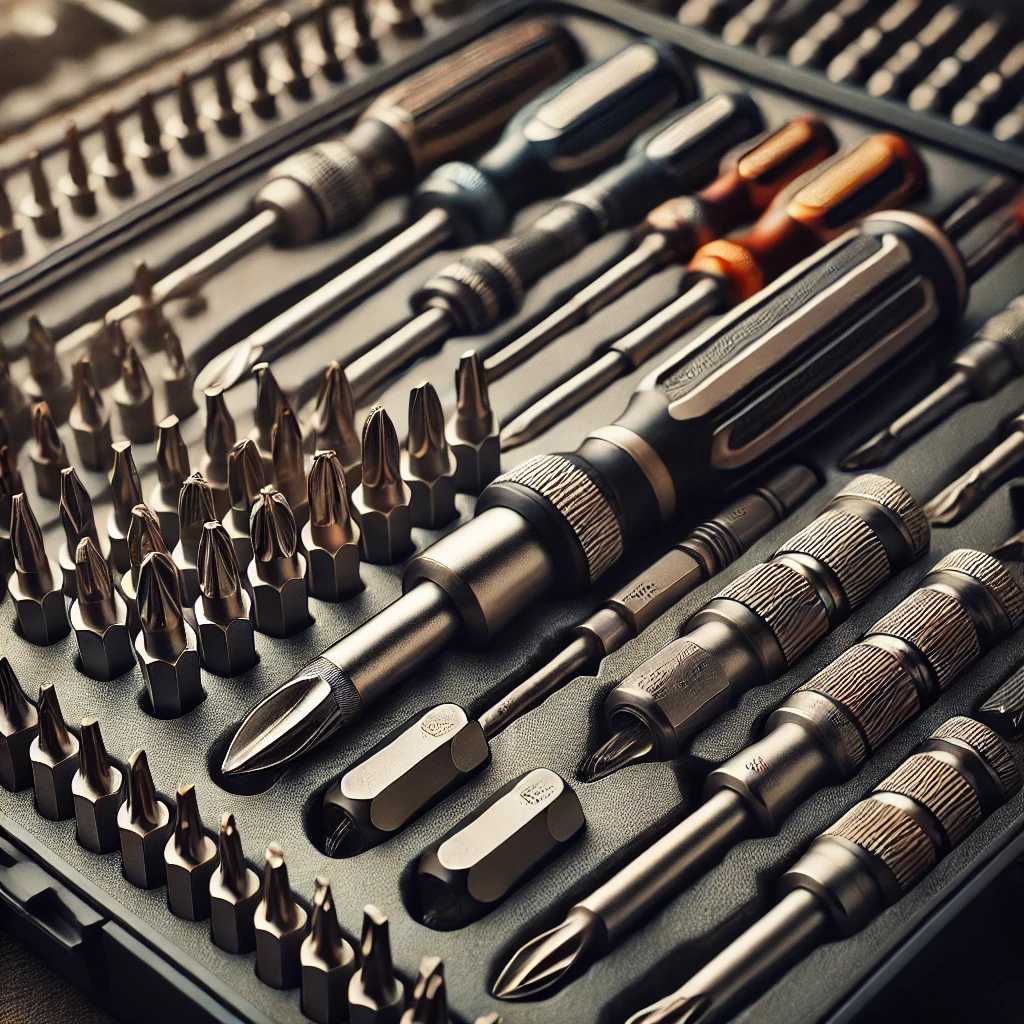
To effectively remove wallpaper without damaging your walls, consider investing in the following tools:
- Wallpaper Steamer: Softens the adhesive for easier removal.
- Scoring Tool: Perforates the wallpaper without damaging the wall.
- Broad Knife or Scraper: Helps lift and peel the wallpaper.
- Spray Bottle with Water or Wallpaper Removal Solution: Eases the wallpaper stripping process.
- Drop Cloths and Masking Tape: Protects your flooring and fixtures during removal.
Using the right tools is essential for efficiently removing wallpaper while keeping your walls pristine.
Comparisons of Wallpaper Removal Techniques
- Steaming vs. Chemical Removers: Steaming is environmentally safer and generally more effective on multiple wallpaper layers.
- Dry Stripping vs. Wet Removal: Dry stripping works best on newer wallpapers designed to peel off easily, while wet removal is suited for older, more stubborn wallpapers.
- Professional vs. DIY: Hiring a professional can be more costly but ensures the job is done right without any damage.
Tips & Tricks for Effective Wallpaper Removal
- Test a Small Area First: To understand the best technique for your specific wallpaper type.
- Use Proper Tools: Invest in a good quality steamer and sharp tools to avoid wall damage.
- Keep the Area Well-Ventilated: Especially if using chemical removers.
- Patience is Key: Take your time to avoid tearing the drywall.
- Follow Up with Primer: Prepare the wall properly before applying new paint or wallpaper.
These tips will help ensure that your wallpaper removal project is successful and damage-free.
FAQs About Wallpaper Removal
- Q: Can I remove wallpaper myself?
- A: Yes, with the right tools and techniques, DIY wallpaper removal is entirely possible. Just ensure you follow safety guidelines and work patiently.
- Q: How long does it take to remove wallpaper?
- A: The time required varies depending on the room size, wallpaper type, and method used, ranging from a few hours to a full day.
Cost Considerations
Removing wallpaper can vary in cost, typically ranging from $1 to $3 per square foot depending on whether you do it yourself or hire a professional. The investment in proper tools and materials can also affect your budget.
Updates and Future Considerations
As wallpaper removal techniques evolve, newer, more efficient methods continue to emerge. Future updates may include more environmentally friendly removal solutions and advanced tools that minimize damage and effort.