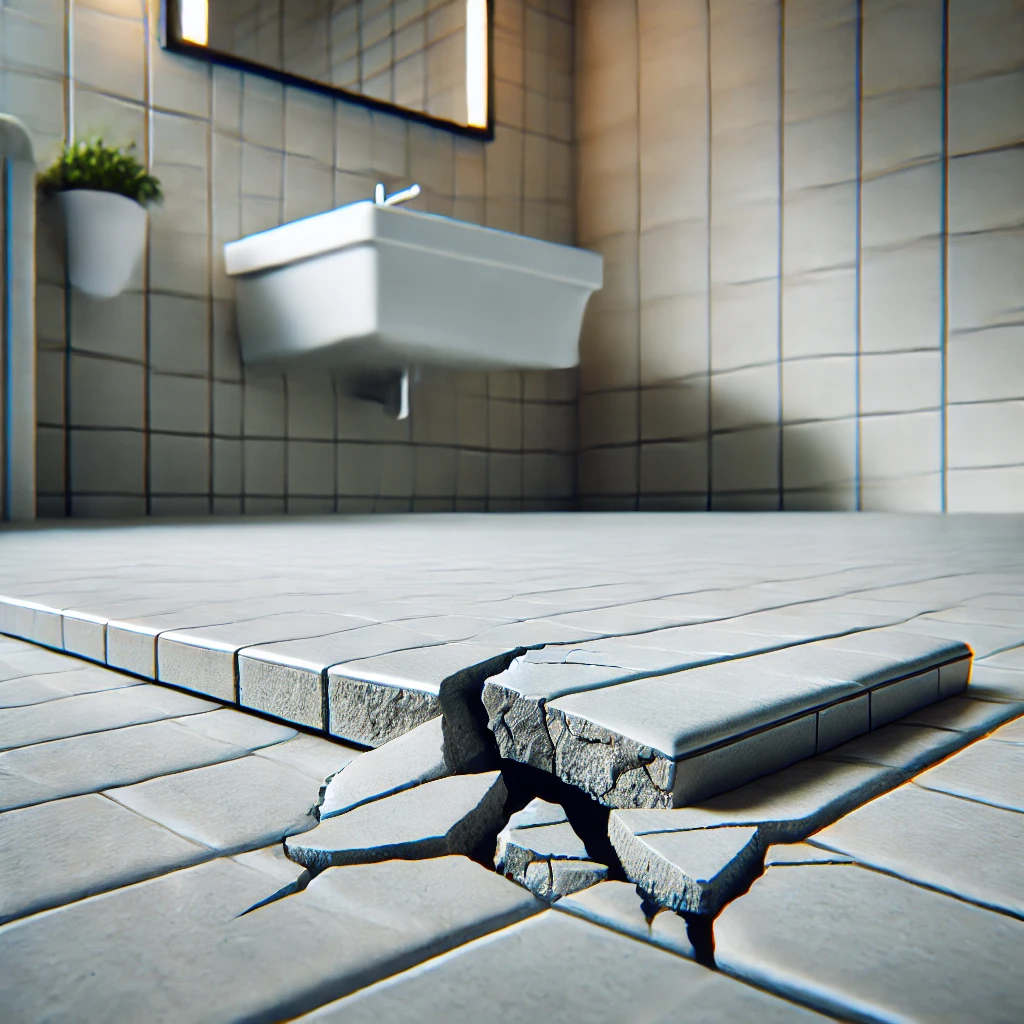
Embarking on a DIY home renovation project can be an exhilarating challenge that promises significant savings and a personalized touch to your home. However, such projects come with their own set of risks, especially for major renovations. Understanding these risks can help homeowners prepare better and decide whether to proceed on their own or call in the experts.
Pros of DIY Home Renovation
- Cost Savings: One of the most compelling reasons to undertake DIY projects is the potential cost savings on labor.
- Personal Satisfaction: Completing a renovation project on your own can provide a profound sense of accomplishment.
- Customization: DIY projects allow for total control over every aspect of the renovation, enabling complete customization.
- Flexibility: Working on your own timeline can be less disruptive to your daily life.
- Skill Building: The experience can help you build valuable skills in carpentry, plumbing, and electrical work.
DIY projects offer a unique blend of personal satisfaction and customization, but they require careful planning and patience.
Cons of DIY Home Renovation
- Time Commitment: DIY renovations often take longer than expected, which can lead to frustration and rushed decisions.
- Complex Challenges: Some renovation tasks may be too complex for those without prior experience.
- Potential for Mistakes: Inexperience can lead to errors that might be costly to fix.
- Safety Risks: Without proper tools and techniques, there’s a higher risk of accidents.
- Impact on Home Value: Poorly executed DIY projects can negatively impact the resale value of your home.
Despite the appeal of DIY, the potential for time overruns, increased complexity, and safety risks cannot be overlooked.
Recommended Tools for the Project
- Quality Power Tools: Invest in a reliable drill, saw, and sander.
- Safety Gear: Essential items include goggles, gloves, and ear protection.
- Measuring Tools: A tape measure and level are indispensable for precision.
- High-Quality Materials: Don’t skimp on materials. Higher quality often means easier installation and better durability.
- Project Management Software: Helpful for keeping track of tasks and deadlines.
Having the right tools and materials is crucial for the success of any DIY renovation project, reducing the risk of problems and ensuring quality results.
Comparisons Between DIY and Professional Renovations
- Cost: Professionals are more expensive, but the quality and speed of the work can justify the cost.
- Time: Professionals can typically complete projects faster than DIY efforts.
- Quality of Work: Professionals bring expertise that can lead to a higher quality finish and better functionality.
- Warranty and Guarantees: Professional work often comes with warranties that DIY projects lack.
- Stress and Hassle: Hiring a professional can reduce the stress and disruption to your daily life.
Weighing the pros and cons of DIY versus professional renovation is essential, as the right choice depends on your skills, budget, and timeline.
Tips & Tricks for Successful DIY Home Renovations
- Plan Thoroughly: Never start without a detailed plan and timeline.
- Budget Wisely: Always add a contingency fund for unexpected costs.
- Seek Advice: Don’t hesitate to consult with professionals when in doubt.
- Take Safety Seriously: Always prioritize your safety by following best practices and using the right tools.
- Stay Organized: Keep your workspace clean and organized to improve efficiency and safety.
Effective planning and organization are key to managing the risks associated with DIY home renovation projects.
FAQs About DIY Home Renovations
Q: How much can I save by doing a renovation myself? A: Savings can vary widely, but DIY projects can reduce costs by up to 50%, depending on the nature of the work and materials chosen.
Q: What is the most common mistake in DIY home renovation? A: Underestimating the time, cost, and skill needed to complete the project successfully is the most common error.
Q: Are there legal restrictions on DIY renovations? A: Yes, some tasks like electrical and plumbing work may require permits or professional certification in many areas.
Addressing these common questions can help mitigate the risks involved in DIY home renovations by setting realistic expectations and encouraging proper planning.
Updates and Future Considerations
Stay updated with the latest building codes and technology. Future trends may also offer new tools and materials that can simplify DIY tasks or improve safety and efficiency. It’s important to keep learning and adapting to new methods and technologies that can enhance your DIY renovation projects.
Cost Considerations in DIY Home Renovations
Proper budgeting is crucial in DIY home renovations. The cost can vary greatly depending on the scope of your project and the materials used. Always include a contingency budget for unforeseen expenses, which can be common in larger projects. This financial foresight can prevent stressful overruns and help complete your renovation smoothly.
By understanding the risks and preparing adequately, DIY enthusiasts can tackle home renovation projects with greater confidence and achieve better outcomes.